
The Best Fluffy Pancakes recipe you will fall in love with. Full of tips and tricks to help you make the best pancakes.

Pros and Cons of Bike Commuting
A balanced look at what to expect and how to prepare.

Nobody’s gonna say it but here it is: bike commuting will make you feel small and exposed and weirdly mortal in ways your car never did.
All those cycling blogs? They sell you sunshine and savings. The environmental high-ground, the fitness gains, the money you’ll pocket not buying gas—it’s all true, technically. But what they don’t mention is showing up to your 9am meeting with helmet hair and pit stains, or that specific brand of fear when an F-150 passes so close you can smell the exhaust.
I’ve done this for—god, six years now?—and I’m tired of the sanitized version.
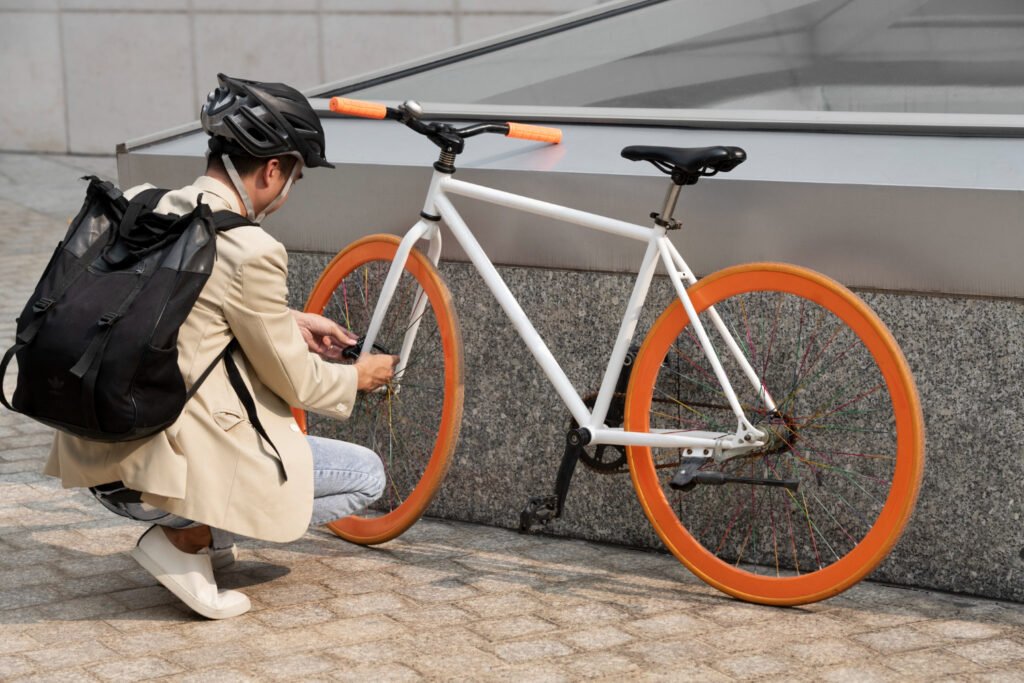
Truth #1: You’re Gonna Be Uncomfortable
There’s this July morning burned into my memory where I literally left a puddle of sweat on the bathroom floor while changing. Had to mop it up with paper towels before anyone walked in.
Winter’s worse in a different way. Your face goes numb, your fingers stop working even through the expensive gloves, and you develop this Pavlovian dread response to weather apps. I check the forecast like four times before bed now.
And rain—every “waterproof” jacket is a liar. The water finds its way in through the collar or the cuffs, and then you’re just damp. For hours. Sitting at your desk in slightly wet underwear trying to look professional.
What shifted it for me: I stopped trying to be comfortable? Sounds dumb but once I accepted that I was choosing controlled misery, it got easier. Our grandparents dealt with weather—we’re just soft now. But there’s something almost meditative about being cold or hot or wet and just dealing with it.
What actually helps: Spend the money. A real rain jacket costs $180-$250 and it’s not optional. Same with lights, good panniers, gloves that work. Keep an entire second wardrobe at the office. Baby wipes are revolutionary. Build routines so you’re not making decisions when it’s dark and raining and you hate everything.
Truth #2: Cars Don’t See You
Last April a Tesla pulled out from a side street without looking and I had maybe eight inches to swerve. My hands shook for twenty minutes. The driver never looked up from their phone.
This happens more than anyone admits. The door that opens into your path, the right-turning SUV that cuts you off, the truck that passes close enough you feel the wind. I’ve had colleagues act like I’m being dramatic but the penalty for their distraction is me in the hospital.
Bike lanes? Half the time they’re just painted gutters full of broken glass. They disappear exactly where you need them most—at intersections where you’re most vulnerable.
The shift: You’re operating a vehicle in hostile territory. Full stop. That’s not pessimism, that’s accurate threat assessment. Every car might not see you. Ride like you’re invisible because functionally you are.
What works: Be obnoxiously visible. Bright lights in daylight, reflective everything, take the lane when you need to. I took a urban cycling course in 2023 and it changed how I ride—learning to read traffic patterns, make eye contact, predict stupid decisions. Add ten minutes to your route if it means avoiding that nightmare intersection. Your pride can handle the detour; your collarbone can’t.
Truth #3: The Time Thing is a Lie
Everyone does this calculation: “my commute is 22 minutes by bike versus 18 driving, basically the same!” Except you’re not accounting for the flat tire, the headwind, the wardrobe change, the actually locking your bike properly.
And it’s not just time—it’s mental bandwidth. Planning outfits around weather. Bike maintenance on Sundays. The constant negotiation: can I run errands after work if I biked in?
Real talk: Bike commuting is almost never more convenient than driving. I know people claim otherwise but they’re delusional or live in Copenhagen. It’s okay to admit you’re choosing the harder option.
The strategy: Build in buffer time—if your commute takes 25 minutes when everything goes right, call it 40. Have a backup plan (bus pass, carpool, work-from-home) and use it without guilt when it’s 15 degrees and sleeting. Reduce the thinking: dedicated bag that stays packed, work clothes at your drawer, Sunday maintenance ritual.
Truth #4: You’ll Feel Weirdly Superior and Defensive Simultaneously
You’ll develop this low-level smugness about your carbon footprint, and you’ll also feel embarrassed about that smugness, and defensive when people question your choices, and judgmental of people who drive two miles, and self-conscious when YOU drive—it’s a psychological mess.
My coworker called me “brave” last winter and I couldn’t tell if she meant it or was being passive-aggressive. Another keeps asking if I’m “still doing that” like it’s a phase, like CrossFit or sourdough during lockdown.
The reframe: Your commute isn’t a moral statement or an identity. It’s just how you get to work right now, in this season, until it isn’t. The second it becomes something you have to defend—you’ve lost.
What helps: Stop talking about it unless directly asked. Don’t be that person. Just ride. And when circumstances change—when you move somewhere it doesn’t make sense, or you need to drive for three months—let it go. Flexibility isn’t failure.
What Now
Bike commuting is objectively harder than most alternatives. It’s uncomfortable and sometimes scary and definitely not for everyone, which is exactly why it might be worth considering. Not because it’s easy but because hard things that align with your values change you.
If you want the actual guide—the real strategies, honest drawbacks, practical solutions without the Instagram nonsense—check out our Full Commuter Cycling Guide for free. No inspiration porn. Just information.
You deserve to know what you’re actually signing up for. Then you can decide anyway.
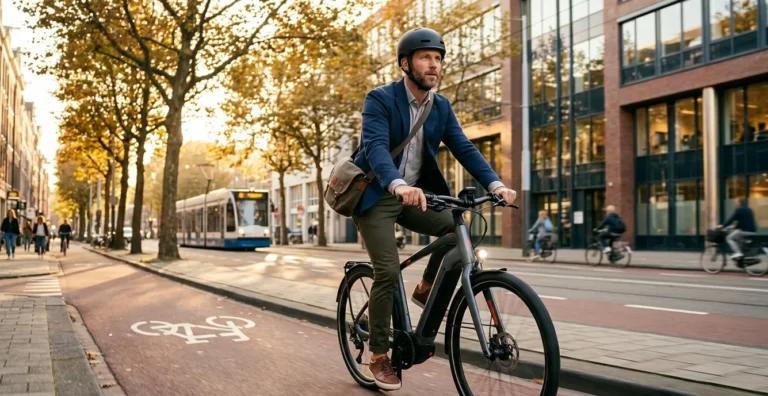
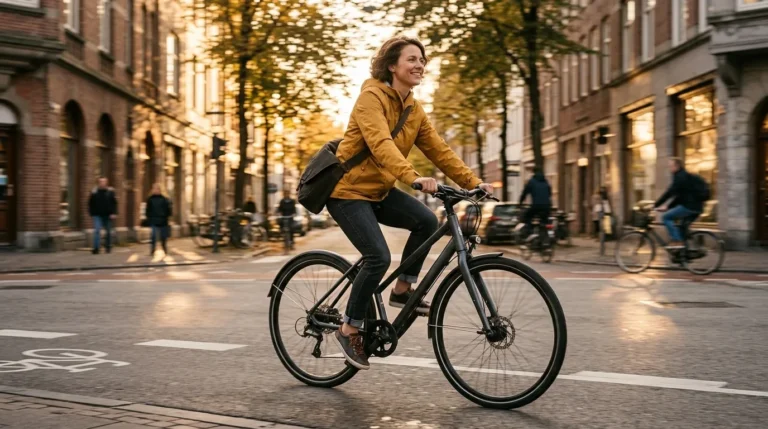
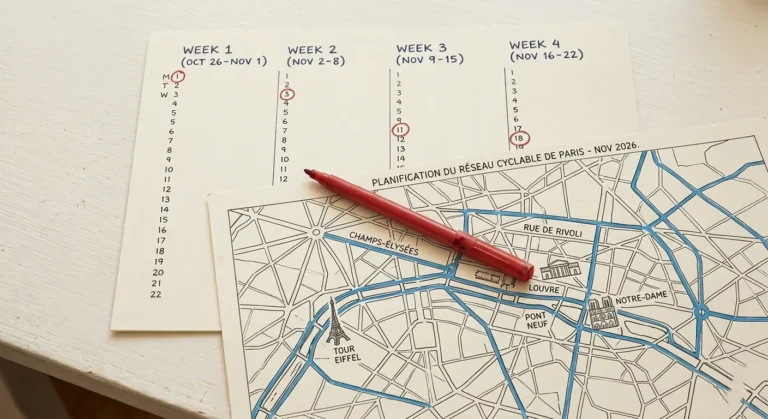
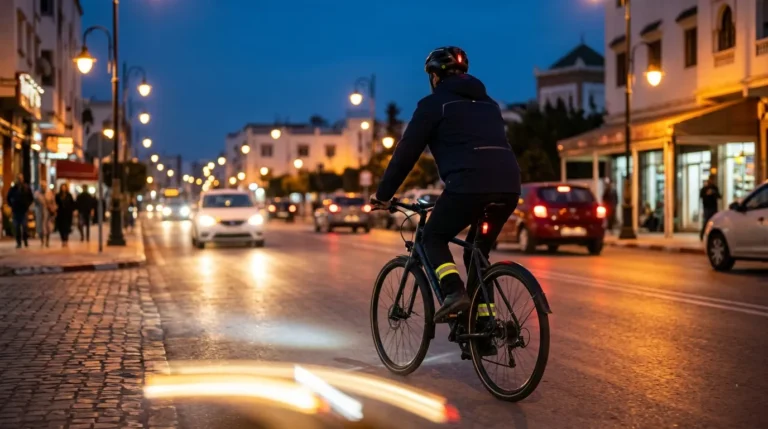




[…] you’ve ever mapped the real pros and cons of commuting by bike — and we have — “stressful city navigation” sits near the top of the cons list […]
[…] is actually worth it as a primary fitness strategy — including the honest downsides — is in our pros and cons breakdown. Read it. We didn’t pull […]