
The Best Fluffy Pancakes recipe you will fall in love with. Full of tips and tricks to help you make the best pancakes.


How Much Should You Actually Eat While Cycling? Understanding Carbs Per Hour
Look—I’m going to be brutally honest here because I’ve bonked hard enough times to know that getting your in-ride nutrition wrong is like showing up to a race with flat tires. You just don’t do it twice. The thing about fueling during rides (and this took me YEARS to figure out properly) is that there’s no one-size-fits-all answer, but there ARE some pretty solid guidelines.
Before we dive deep though, I need to mention something that literally changed my entire approach last season. I stumbled across this “Cycling Fuel Recipes Ebook for Watchers“ while researching pre-ride meals, and honestly? It’s got this 4-week structured plan that breaks down exactly what you need during different training phases. We’ll talk more about this later because it pairs perfectly with what I’m about to explain.
Carbohydrates Intake Depending on Your Rides
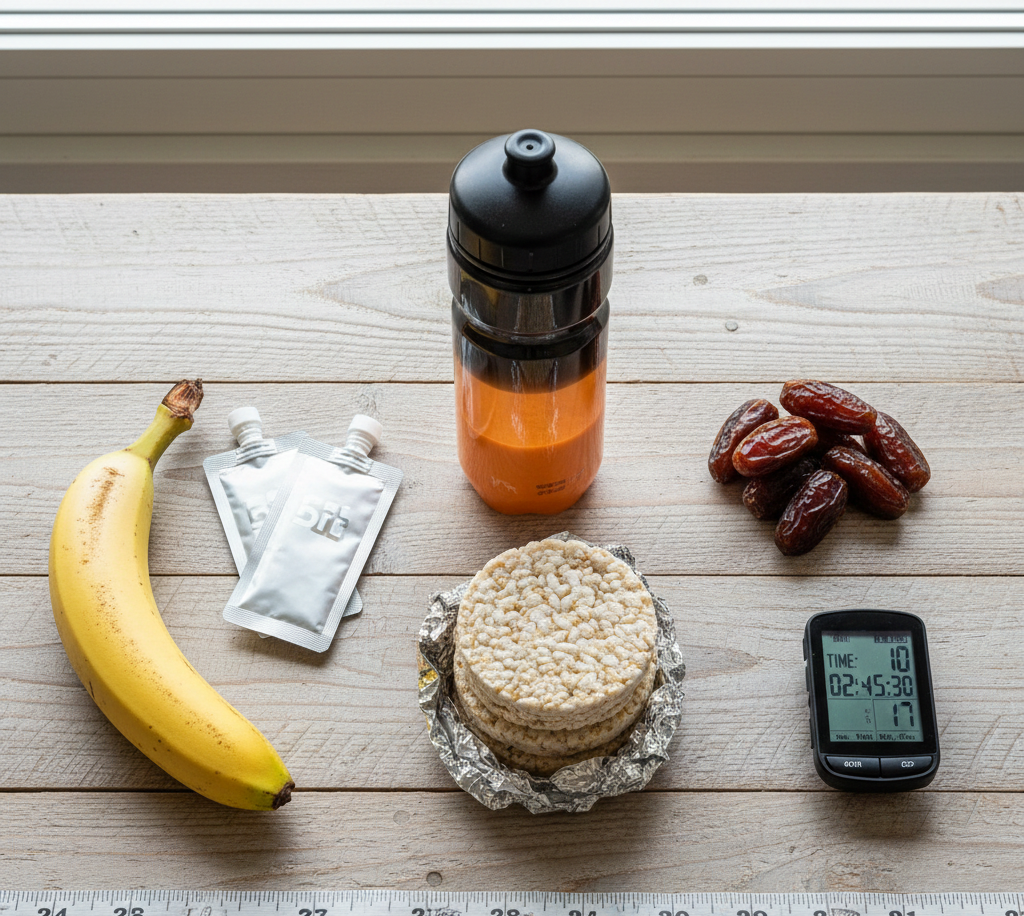
So here’s the deal with carbohydrate intake—for shorter rides under 60 minutes, you’re probably fine without eating anything at all. Your muscle glycogen stores can handle that. But once you cross into that 60-90 minute territory? Things start getting interesting.
For rides between 1-2 hours at a conversational pace (60-70% max heart rate), you need somewhere between 30-60 grams of carbs per hour. That’s like a banana and some sports drink, or a gel and a half. When you push into 2-3 hour rides—especially with intervals or tempo efforts—bump that up to 60-90 grams per hour. This is where things get tricky because your gut needs to process all this fuel while you’re working hard.
For the really long stuff (over 3 hours) or high-intensity racing scenarios, you’re looking at 90-120 grams per hour. I know that sounds insane—that’s like a gel every 20 minutes plus drink mix. But research shows that trained athletes CAN absorb this much when you use multiple transportable carbohydrates. That means combining glucose sources with fructose sources, which use different intestinal absorption pathways.
The intensity factor matters more than most people realize. During threshold efforts, you’re burning carbs at nearly double the rate compared to zone 2 endurance pace. So a 2-hour tempo ride might need the same fueling as a 3-hour easy spin. Body mass plays into this too—if you’re 85kg you’ll need more absolute grams than someone who’s 60kg.
My advice? Start with these ranges and practice during training rides that mimic your event. Don’t wait until race day to discover that your stomach can’t handle 100g/hour.
What Foods Work Best During Cycling? (Gels vs Real Food Showdown)
Okay so there’s this ongoing debate about whether you should use commercial sports nutrition products or just stuff your pockets with rice cakes and bananas like the pros do. And honestly? Both camps are right, which is probably the most frustrating answer possible.
Energy gels are the most concentrated option—typically 20-30 grams of carbs in a tiny packet. The advantage: rapid absorption, precise dosing, no chewing required when you’re breathing hard. The downside? They’re aggressively sweet. I remember this one century ride where I tried to fuel exclusively on gels (bad idea), and by mile 70 I was literally gagging at the thought of consuming another one.
Energy chews and blocks give you similar carb delivery but require actual chewing. Sports drinks serve double duty: hydration PLUS carbs, usually around 14-20 grams per 8 ounces. For rides where you’re targeting 60-90g/hour, combining drink mix with solid fuel creates this really effective delivery system.
Now let’s talk real food because this is where things get fun:
• Bananas – About 25-30 grams of carbs, easy to digest, potassium bonus. The problem is carrying six bananas gets awkward fast.
• Rice cakes with jam – This is what the pros use for a reason. They’re gentle on the stomach, you can customize carb content, and they’re actually pleasant to eat after hours in the saddle.
• Dried dates or figs – Concentrated carbs with minimal volume, though the fiber content can be problematic if you’ve got a sensitive stomach.
• Boiled baby potatoes with salt – Game changer for long rides when you’re sick of sweet stuff. That savory hit is incredibly satisfying.
The strategy I’ve landed on after way too much trial and error? Start with real food during the aerobic early hours, transition to gels and drink mix as intensity increases. This prevents flavor fatigue and matches your body’s changing fuel tolerance throughout the ride.
When Should You Start Eating During a Ride? (Timing is Everything)
Here’s where most cyclists absolutely shoot themselves in the foot: they wait too long to start fueling. By the time you feel hungry or notice your power dropping, you’re already operating at a deficit that takes 30-45 minutes to correct.
For any ride exceeding 90 minutes, start consuming carbs within the first 20-30 minutes. Even if you don’t feel like you need it yet! This prevents glycogen depletion before it becomes problematic and establishes a feeding rhythm you’ll maintain throughout the ride.
I use the timer function on my bike computer set for every 15-20 minutes—it buzzes, I eat or drink something. This “little and often” approach works infinitely better than cramming large amounts less frequently. It maintains stable blood glucose and prevents the feast-or-famine cycle that contributes to GI distress.
Before predictable high-intensity segments—a known climb, technical MTB section—consume easily digestible carbs 10-15 minutes in advance to ensure glucose availability when demand spikes. During very high-intensity efforts above threshold, your digestive system basically shuts down. In these situations, rely primarily on sports drinks or very diluted gels.
Early morning rides that begin before adequate pre-ride fueling require more aggressive in-ride nutrition from the start. For pre-dawn rides, consume 30-50 grams of easily digestible carbs upon waking, even if you can’t manage a full breakfast.
Hydration & Avoiding the Dreaded Bonk (Your GI Survival Guide)
You can have perfect carb intake dialed in, but if your hydration and electrolyte balance are off? Everything falls apart. Dehydration as minimal as 2% of body weight impairs cardiovascular function and reduces your capacity to absorb carbohydrates effectively.
Fluid requirements vary wildly. A useful starting framework: 400-800 milliliters (14-27 ounces) of fluid per hour during moderate-intensity riding in temperate conditions. I learned this the hard way during a July century ride in Texas where I definitely did NOT drink enough and spent the last 20 miles questioning all my life choices.
Plain water works for rides under an hour, but longer efforts require electrolyte-enhanced fluids. Most sports drinks provide 300-500 mg of sodium per liter. Heavy sweaters in hot conditions need additional supplementation through tablets or higher-concentration drink mixes.
The concentration of carbohydrates in your drinks directly impacts gastric emptying. Drinks with 6-8% carbohydrate concentration (60-80 grams per liter) empty from the stomach at optimal rates. This is why consuming high-carb gels with plain water rather than sports drink often proves more tolerable.
Gastrointestinal issues represent the primary limiter for many cyclists. Prevention begins weeks before your event through gut training. Start conservatively at 60g/hour and gradually increase by 10-15g/hour every 1-2 weeks. Eating 30 grams every 15 minutes tolerates better than 60 grams every 30 minutes.
Individual tolerance varies enormously. What works for your training partner may trigger distress for you.
Take Your Cycling Nutrition to the Next Level
We’ve covered carb targets, fuel sources, timing strategies, hydration protocols. But implementing all this while also planning pre-ride meals, post-ride recovery, and managing a structured training plan? That’s where things get overwhelming.
This is exactly why the Cycling Fuel Recipes Ebook for Watchers is genuinely game-changing. After years of piecing together nutrition advice from random sources and trial-and-error disasters, having everything consolidated into one resource is incredible.
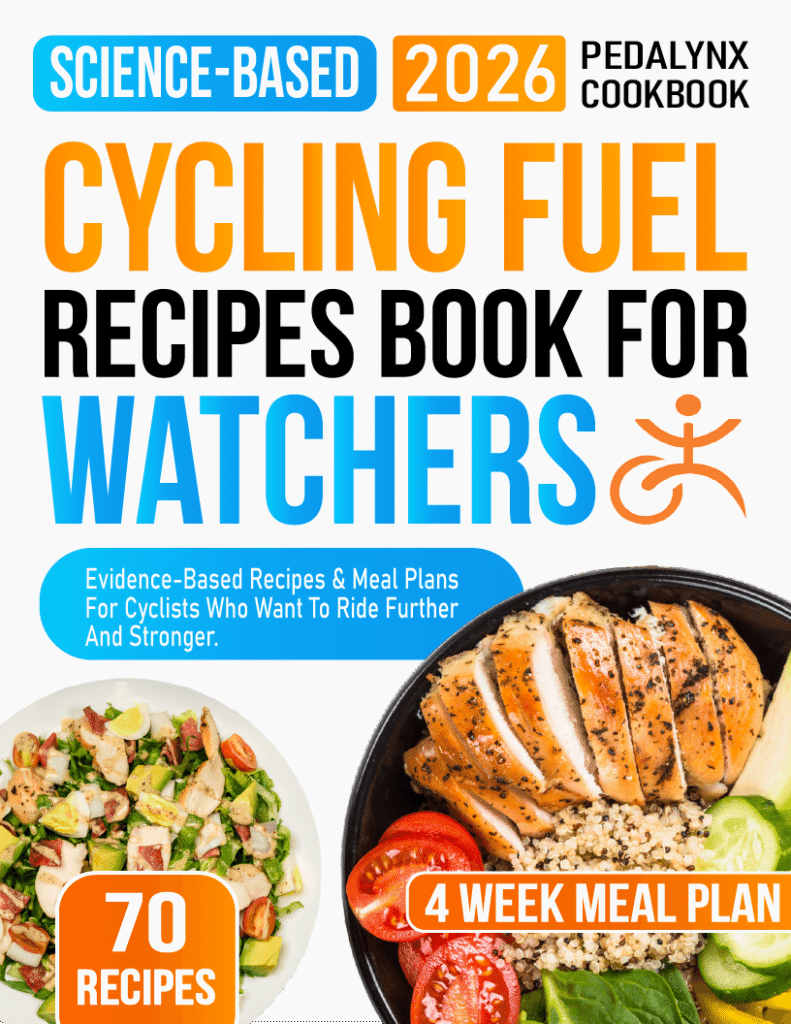
What’s Inside:
4-Week Structured Nutrition Plan – Complete Base, Build, Peak, Taper & Recovery phases
70+ Cyclist-Specific Recipes with stunning photos and complete nutritional breakdowns
4 Weekly Grocery Lists – Everything organized and simple
Science-Based Fueling Strategies – Carb-loading protocols, recovery windows, electrolyte balance
Pre & Post-Ride Meal Guidance – Know exactly what to eat when
Quick Prep Recipes – Most meals ready in under 30 minutes
Lifestyle Tracking Tools – Adapt for weight loss, endurance, or muscle gain goals
The recipes aren’t complicated Instagram-worthy creations. They’re practical, effective, and designed specifically for cyclists who need to fuel properly without spending their entire life in the kitchen. The ebook includes everything from rice cakes to recovery smoothies, pre-race breakfast options, and savory on-bike snacks.
What really sets this apart is the 4-week structured plan that tells you exactly when to eat what based on your training phase. Base phase nutrition looks different from peak phase nutrition. Having this mapped out removes so much mental load.
Whether you’re preparing for your first century ride, training for a gran fondo, or just trying to stop bonking on weekend group rides, having a comprehensive nutrition resource that pairs with these in-ride fueling strategies makes everything click into place.
Stop guessing. Stop bonking. Get your copy of the Cycling Fuel Recipes Ebook for Watchers and transform your approach to cycling nutrition from scattered guesswork into a structured, science-backed system that actually works.
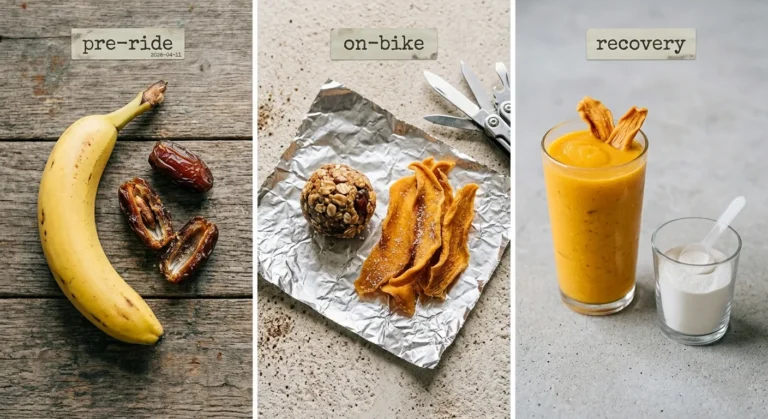
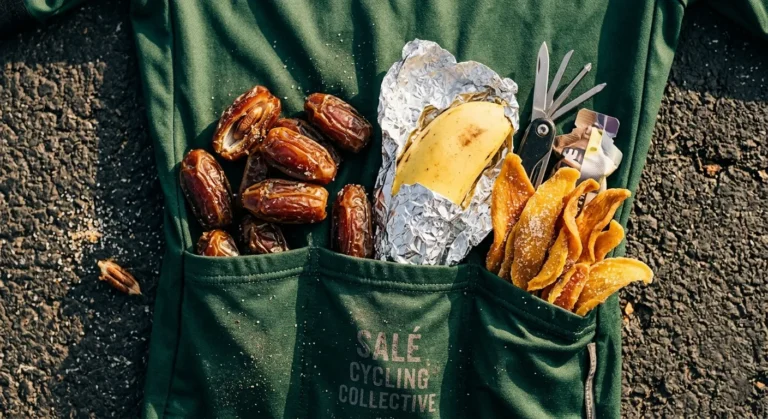
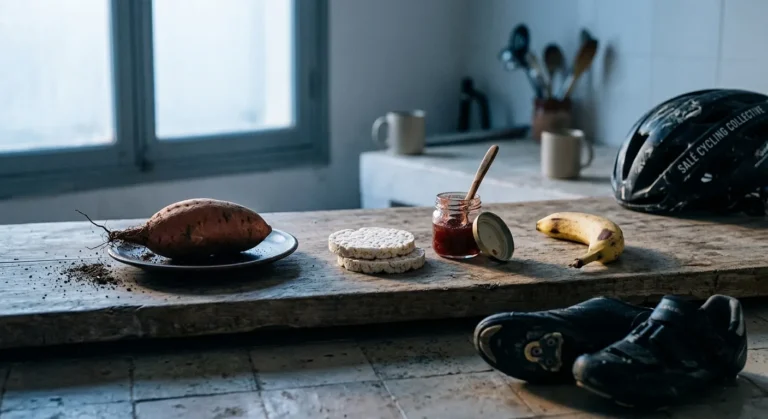
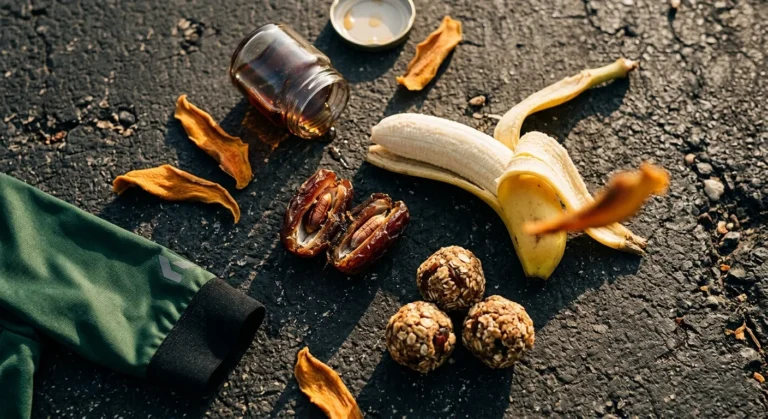




[…] What you eat during the actual ride matters more than almost any other variable. More than your pre-ride meal, more than your recovery shake — because this window is live, it’s happening, and there’s no fixing it retroactively. […]