
The Best Fluffy Pancakes recipe you will fall in love with. Full of tips and tricks to help you make the best pancakes.

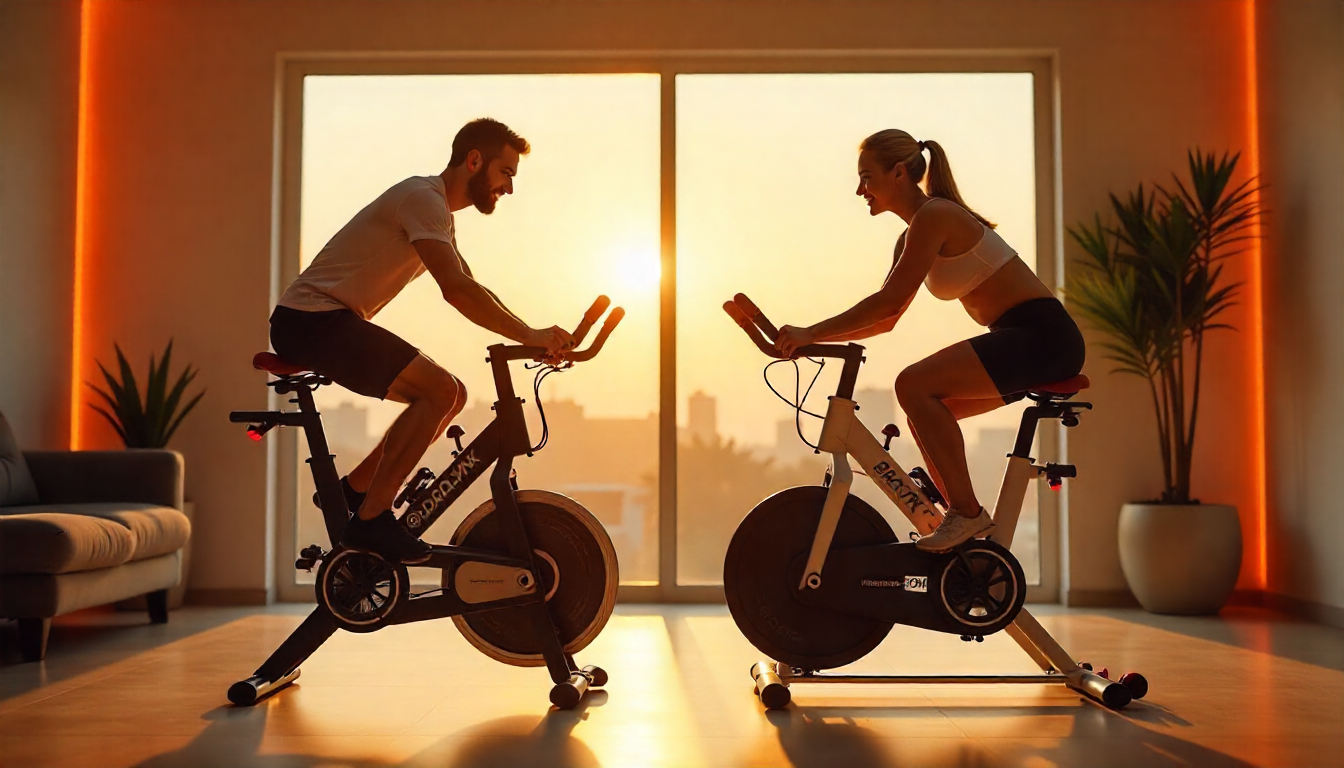
Welcome to your comprehensive pillar page on Indoor Cycling—the at-home workout revolution that’s taken the fitness world by storm. Whether you’re pedaling for weight loss, building endurance, managing injuries, or just trying to stay fit on a tight schedule, indoor cycling offers unmatched flexibility, intensity, and results.
This guide brings together the best articles on nutrition, injury prevention, ride frequency, beginner tips, and recovery strategies. So, whether you’re spinning solo or sweating it out with your favorite virtual instructor, this page is your go-to hub for smart, safe, and effective indoor rides.
Indoor Cycling for Weight Loss: 5 Powerful Benefits for Women
Indoor cycling is more than just cardio — it’s a metabolism-boosting, fat-torching machine. This post dives deep into the unique benefits for women, including hormonal balance, body composition, and motivation hacks.
➡️ Read: Indoor Cycling for Weight Loss: 5 Powerful Benefits for Women »
Indoor Cycling Injury Prevention for Seniors
Age is just a number—until injury strikes. This guide outlines gentle warm-ups, proper bike setup, and post-ride stretches that help older adults ride safely while enjoying the benefits of indoor cycling.
➡️ Stay Safe: Indoor Cycling Injury Prevention for Seniors »
When Injuries Meet Indoor Cycling: Your Path Forward
Already dealing with an injury? This article helps you modify workouts, manage recovery, and use cycling as low-impact rehab without making things worse.
➡️ Recover Right: When Injuries Meet Indoor Cycling »
Cooling Down After Indoor Cycling: Essential Steps
Don’t skip the cooldown! These quick, easy post-ride steps reduce soreness, lower heart rate gradually, and help you bounce back faster for tomorrow’s ride.
➡️ Cool Down: Cooling Down After Indoor Cycling »
Indoor Cycling Injuries: How to Avoid Them
Prevention beats recovery. Learn the most common injuries from spin class—like saddle sores, knee strain, and back pain—and how to avoid them with smart techniques and gear.
➡️ Avoid Pain: Indoor Cycling Injuries: How to Avoid Them »
Indoor Cycling Workout Frequency: How Often Should You Ride?
Riding too often can stall progress. Not enough, and you won’t see results. This post helps you find the perfect schedule based on your fitness level, recovery, and goals.
➡️ Schedule Smart: Indoor Cycling Workout Frequency »
Indoor Cycling for Weight Loss: Is It Worth It?
Let’s settle the debate. This post compares calorie burn, fat loss, and long-term sustainability to help you decide if indoor cycling should be your go-to for slimming down.
➡️ Explore It: Indoor Cycling for Weight Loss: Is It Worth It? »
What to Eat Before Spin Class: Fuel Right, Ride Strong
Nutrition is your secret weapon. Learn what to eat (and when) to avoid crashing mid-spin, whether it’s an early morning ride or a post-work sweat session.
➡️ Fuel Up: What to Eat Before Spin Class »
Indoor Cycling Mistakes: Top 10 Beginner Blunders Fixed
We all mess up at first. This fun, practical guide reveals the top mistakes new riders make—from seat height to pedaling technique—and how to fix them fast.
➡️ Fix It: Indoor Cycling Mistakes for Beginners »
Best Indoor Cycling Tips for Beginners
Want to start strong? This ultimate beginner’s guide covers everything: gear, form, motivation, and how to stay consistent—even when life gets busy.
➡️ Start Here: Best Indoor Cycling Tips for Beginners »
Indoor Cycling Training for Busy Cyclists
No time to train? No problem. This article shares efficient indoor workouts that pack results into short sessions for those juggling jobs, kids, or side hustles.
➡️ Ride Smart: Indoor Cycling Training for Busy Cyclists »
Whether you’re short on time, battling the weather, or just love a sweat-fueled challenge, Indoor Cycling is the perfect fit. It adapts to your schedule, protects your joints, and builds both endurance and mental strength. With the right tips, tools, and fueling, your home setup can rival any spin studio.
AI for Cyclists: How Smart Tech Is Changing Cycling in 2026
Welcome to the AI revolution in cycling. From power meter analytics to training plan optimization, see how artificial intelligence is transforming training, racing strategy, and performance analysis. The future is here—and it’s making you faster.
➡️ Discover AI: AI for Cyclists: How Smart Tech Is Changing Cycling in 2026 »
The Indoor Cyclist’s Motivation Guide: When Training Alone
Staring at a wall can kill motivation fast. Learn proven psychological strategies, environment hacks, and mindset shifts that keep you pedaling when there’s no group energy, no scenery, and no one watching. Solo training doesn’t have to feel lonely.
➡️ Stay Motivated: The Indoor Cyclist’s Motivation Guide: When Training Alone »
The AI Indoor Cycling Playbook: Double Your Gains
What if your trainer could think? AI-powered platforms now analyze your performance in real-time, adjust workouts on the fly, and predict your optimal training load. This playbook shows you exactly how to leverage artificial intelligence to get twice the results in the same training time.
➡️ Train Smarter: The AI Indoor Cycling Playbook: Double Your Gains »
Smart Bikes & Trainers in 2026: What You Need to Know
The smart trainer market has exploded with options. From direct-drive trainers to fully integrated smart bikes, this comprehensive guide breaks down what’s worth the investment, which features actually matter, and how to choose the perfect setup for your goals and budget.
➡️ Choose Wisely: Smart Bikes & Trainers in 2026: What You Need to Know »
Ergonomics & Injury Prevention for Indoor Cycling
Indoor cycling injuries are preventable—if you know what to look for. Poor bike fit, repetitive strain, and inadequate setup cause knee pain, back issues, and numbness. This guide covers proper positioning, ergonomic adjustments, and movement patterns that keep you healthy and pain-free.
➡️ Ride Pain-Free: Ergonomics & Injury Prevention for Indoor Cycling »
Indoor Cycling for Weight Loss: Using AI
AI takes the guesswork out of weight loss on the bike. Smart algorithms calculate your optimal calorie deficit, adjust workout intensity for fat burning, and track progress with precision. Learn how to harness AI technology to shed pounds while building fitness faster than ever.
➡️ Lose Smart: Indoor Cycling for Weight Loss: Using AI »
Training Plan Adaptations for Indoor vs Outdoor Cycling
Indoor and outdoor riding aren’t the same. Learn how to adjust interval intensities, durations, and recovery periods when moving workouts from the road to the trainer (and vice versa) for optimal training stimulus.
➡️ Adapt & Conquer: Training Plan Adaptations for Indoor vs Outdoor Cycling »
Nutrition & Recovery for Indoor Cycling: What You’re Missing
Indoor training creates unique nutritional demands most cyclists overlook. Sweat more, hydrate differently, and fuel strategically for climate-controlled environments. This guide reveals the nutrition and recovery protocols specifically designed for indoor training sessions.
➡️ Fuel Right: Nutrition & Recovery for Indoor Cycling: What You’re Missing »
HIIT Indoor Cycling Workouts for Busy People
No time? No problem. These scientifically designed HIIT protocols deliver maximum cardiovascular gains in 20-30 minutes. Perfect for busy professionals, parents, and anyone who needs serious results without sacrificing hours on the trainer.
➡️ Maximize Time: HIIT Indoor Cycling Workouts for Busy People »
The Future of Indoor Cycling: How to Train with AI
AI-powered training is revolutionizing how cyclists prepare indoors. Adaptive workouts that adjust in real-time, predictive analytics, and personalized training plans powered by machine learning—discover how artificial intelligence is making every indoor session smarter.
➡️ Embrace the Future: The Future of Indoor Cycling: How to Train with AI »
Virtual Cycling Platforms: How to Train & Compete from Home
Zwift, TrainerRoad, Rouvy—which platform is right for you? Compare features, structured workouts, virtual races, and community aspects of the top virtual cycling platforms. Turn your pain cave into a global training ground.
➡️ Go Virtual: Virtual Cycling Platforms: How to Train & Compete from Home »
Indoor Cycling Workout for Weight Loss
Want to shed pounds while building cycling fitness? Indoor trainers offer controlled, high-calorie-burn sessions perfect for weight loss. This post breaks down the best workout structures, intensities, and training frequencies for losing weight on the bike.
➡️ Burn Calories: Indoor Cycling Workout for Weight Loss »
Time-Crunched Cycling Plans for Busy Cyclists
Limited training time doesn’t mean limited results. These science-backed training plans maximize fitness gains with minimal weekly hours. Perfect for cyclists balancing demanding careers, families, and life while still chasing cycling goals.
➡️ Train Efficiently: Time-Crunched Cycling Plans for Busy Cyclists »
How to Build Consistent Indoor Training Habits
Indoor training can feel monotonous, but consistency is key to winter gains. Learn psychological tricks, environment optimization, and routine-building strategies that make indoor training something you actually stick with.
➡️ Stay Consistent: How to Build Consistent Indoor Training Habits »
Best Shoes for Indoor Cycling
The right shoe makes all the difference on a smart trainer. Discover what features matter most for indoor cycling shoes, from ventilation to stiffness ratings, and find the perfect pair for your training setup and budget.
➡️ Gear Up: Best Shoes for Indoor Cycling »
Best Indoor Cycling Bikes for Home Use
Overwhelmed by options? This buying guide cuts through the marketing hype to reveal the best indoor bikes for every budget and goal. From basic spin bikes to high-tech smart bikes, find out which features are worth paying for and which you can skip.
➡️ Buy Smart: Best Indoor Cycling Bikes for Home Use »
Indoor Cycling vs Running: Which Burns More Calories?
The cardio showdown: bike or treadmill? This data-driven comparison breaks down calorie burn, joint impact, training efficiency, and real-world results. Discover which activity delivers better weight loss, cardiovascular fitness, and long-term sustainability for your lifestyle.
➡️ Compare Now: Indoor Cycling vs Running: Which Burns More Calories? »
Indoor Cycling for Beginners Over 50
Starting cycling after 50? Indoor training offers a safe, controlled environment to build fitness without the risks of outdoor riding. This beginner-friendly guide covers getting started safely, age-appropriate training intensities, and how to progress at a sustainable pace.
➡️ Start Strong: Indoor Cycling for Beginners Over 50 »
Indoor Cycling for Mental Health Benefits
The mental health benefits of indoor cycling go far beyond endorphins. Regular training reduces anxiety, improves mood, enhances cognitive function, and provides structure during tough times. Discover how consistent indoor cycling can transform your mental wellbeing.
➡️ Boost Your Mind: Indoor Cycling for Mental Health Benefits »
Spin Bike vs Exercise Bike: What Should You Buy?
Spin bike or exercise bike—what’s the difference, and which one fits your needs? This detailed comparison covers resistance types, adjustability, durability, and price points. Make an informed decision before spending hundreds (or thousands) on home fitness equipment.
➡️ Choose Right: Spin Bike vs Exercise Bike: What Should You Buy? »
Home Studio Setup for Indoor Cycling: Space, Budget & Gear
The first time I tried to set up an indoor cycling space I shoved a trainer into a corner of the bedroom, forgot about ventilation entirely, and lasted about twenty minutes before the heat and the smell and the general misery of the situation sent me back to the couch. Getting your home studio right isn’t about having a perfect space—it’s about removing the friction that makes you not bother. This post covers everything from minimum room dimensions to fan placement to flooring, at every budget level from genuinely cheap to properly invested.
➡️ Build Your Cave: Home Studio Setup for Indoor Cycling: Space, Budget & Gear »
Peloton vs. SoulCycle: Which One Actually Gets You There Faster?
Both have devoted followers who will defend their choice with an intensity that feels slightly disproportionate for a piece of exercise equipment. Both are genuinely good. But they’re built around different philosophies—different ideas about what indoor cycling is actually for—and depending on your goals, your personality, and honestly your tolerance for a certain kind of motivational energy, one will suit you significantly better than the other. This post stops being diplomatic and actually compares them on the metrics that matter: fitness outcomes, training structure, community, cost over time.
➡️ Pick Your Platform: Peloton vs. SoulCycle: Which One Actually Gets You There Faster? »
What Are the Best Cadence Zones for Indoor Cycling?
Cadence is one of those variables that most indoor cyclists either obsess over completely or ignore almost entirely—and both extremes cost them. Too low and you’re grinding, loading the joints, building fatigue without the aerobic return. Too high and you’re spinning uselessly, heart rate elevated but power output going nowhere interesting. There’s a middle ground—several, actually, depending on what you’re training for—and this post maps all of it out with actual numbers, actual physiological reasoning, and zero vague advice about just finding your rhythm.
➡️ Find Your Spin: What Are the Best Cadence Zones for Indoor Cycling? »
The Ultimate Guide to Indoor Cycling Benefits: Physical, Mental, and Beyond
Indoor cycling has a reputation problem. People think of it as the thing you do when the weather’s bad—the consolation prize of fitness, the training equivalent of staying in on a Friday night. That framing is completely wrong and this post makes the case against it properly. The cardiovascular adaptations, the low-impact joint loading, the mental health returns that research in 2025 and 2026 has been quietly making very compelling arguments for… indoor cycling isn’t a compromise. For a lot of people, done right, it’s the best training they do all week.
➡️ Discover the Returns: The Ultimate Guide to Indoor Cycling Benefits: Physical, Mental, and Beyond »
Senior Bikes 2025-2026: Find Your Perfect Bicycle Fast
The bicycle industry spent decades designing bikes for one imagined rider—young, aggressive, comfortable with discomfort. That’s changing. The 2025 and 2026 senior-specific and comfort-geometry builds represent genuinely good engineering, not just marketing with a different target demographic. Step-through frames that don’t compromise ride quality. Ergonomic contact points that account for the body actually changing with age. This post cuts through the catalogue noise and helps you find something that fits—properly fits—without spending a month lost in spec sheets.
➡️ Find Your Fit: Senior Bikes 2025-2026: Find Your Perfect Bicycle Fast »
The Ultimate Nutrition Plan for Cyclists: Fueling Your Performance
Fueling sounds like it should be the easy part. Eat food, ride bike, repeat. And then you bonk—properly bonk, legs turning to wet cement somewhere twenty minutes into what was supposed to be a straightforward session—and you realise that winging your nutrition has real consequences. Indoor riding has its own nutritional quirks too. The heat accumulation changes your fluid needs. The controlled intensity makes it easier to under-eat without noticing until it’s too late. This post maps out a proper system—carb timing, protein targets, hydration strategies that actually account for the difference between sweating into a fan at home and riding outside in November.
➡️ Fuel Everything: The Ultimate Nutrition Plan for Cyclists: Fueling Your Performance »
Fast-Track Your Virtual Cycling Training Plan: 5 Hacks Indoor Riders Actually Use
Generic indoor training advice gets you generic indoor training results. The riders who are genuinely improving on smart trainers—hitting power targets, building real fitness through winter, coming out in spring actually faster rather than just less unfit—are doing a handful of specific things differently. Not complicated things. Not expensive things. Five habits, five adjustments, that compress the learning curve and make every session count more than the one before it. This post shares all five without making you wade through fifteen paragraphs of preamble to find them.
➡️ Get the Edge: Fast-Track Your Virtual Cycling Training Plan: 5 Hacks Indoor Riders Actually Use »
What to Eat Before a Long Bike Ride
There’s a particular kind of regret that arrives about forty minutes into an indoor session when you realise the meal you chose before it was completely wrong. Indoor riding is unforgiving that way—there’s nowhere to soft-pedal and hide, no descents to recover on, no convenient café stop to bail to. Too heavy a meal and you’re uncomfortable, sluggish, doing maths about whether you can justify stopping early. Too light and the power just isn’t there. This post gets the timing right, the food choices right, and the quantities right—for indoor sessions specifically, not just cycling in general.
➡️ Eat Right: What to Eat Before a Long Bike Ride »
Indoor HIIT Cycling vs Outdoor Intervals: Which Is Better?
This debate has been running in cycling communities for years and the honest answer is more nuanced than either camp usually admits. Indoor HIIT offers precision—controlled resistance, exact power targets, no traffic lights interrupting your VO2 max efforts at the worst possible moment. Outdoor intervals offer variability, real-world stimulus, and something genuinely harder to quantify: the psychological challenge of going hard on an actual road with actual terrain. Both work. They work differently. This post compares them honestly and—depending on your goals, your season, your available time—tells you which one probably deserves more of your attention right now.
➡️ Choose Your Battle: Indoor HIIT Cycling vs Outdoor Intervals: Which Is Better? »
HIIT Cycling Workout Plan for Beginners (No Guesswork)
This HIIT has a branding problem. It sounds aggressive—like something designed for people who already look like they don’t need it. For beginners on an indoor bike especially, the whole concept can feel like being thrown into deep water before you’ve established you can swim. This plan removes all of that uncertainty. Week by week, session by session, with the actual reasoning behind each interval explained rather than just barked at you. The progressions are realistic. The rest periods are real. And by the end of it you’ll understand your own effort levels well enough to train without needing someone to tell you what to do.
➡️ Start Strong: HIIT Cycling Workout Plan for Beginners (No Guesswork) »
HIIT Cycling Weight Loss Revolution for 2026
The fat loss research has been moving fast—faster than most fitness content has kept up with—and some of what became received wisdom about HIIT protocols and body composition is getting meaningfully revised. The 2026 findings aren’t a complete overhaul but they’re not minor tweaks either. Work-to-rest ratios, session frequency, the interaction between HIIT and recovery nutrition… the updated recommendations are actually more accessible for regular people with regular schedules than the older, more brutal protocols that dominated the conversation for years. Worth reading even if you think you already know how this works.
➡️ Join the Revolution: HIIT Cycling Weight Loss Revolution for 2026 »
Indoor Cycling Mental Strategies to Beat Boredom
Boredom on the indoor trainer is a specific, almost philosophical kind of suffering. It’s not the good suffering—not the burn in the legs or the lungs that means something is working. It’s the other kind. The clock-watching, the creeping suspicion that time has actually stopped, the mental negotiation with yourself about whether fifteen more minutes would really make any difference. It does make a difference, which is why this post exists. Mental strategies, environment design, session structures that keep your brain engaged—real approaches that experienced indoor riders use to turn the pain cave into somewhere they actually want to be. Or at least somewhere they can tolerate.
➡️ Stay in the Saddle: Indoor Cycling Mental Strategies to Beat Boredom »
Common HIIT Cycling Mistakes That Kill Your Weight Loss Results
Most people doing HIIT cycling for weight loss are making at least two of these mistakes without knowing it. Not because they’re not trying—usually because they’re trying too hard in the wrong directions, going harder than the session calls for, skipping recovery intervals because they feel like wasted time, fueling in ways that quietly cancel out the calorie deficit they just worked hard to create. The frustrating thing about these mistakes is how invisible they are while you’re making them. This post makes them visible, explains exactly why each one undermines your results, and gives you a straightforward fix for every single one.
➡️ Fix Your Approach: Common HIIT Cycling Mistakes That Kill Your Weight Loss Results »
Your Complete Indoor Cycling Resource
Whether you’re just getting started or optimizing an advanced training setup, these resources cover every aspect of indoor cycling. Bookmark this page and return as you build your indoor training practice—from equipment selection to AI-powered performance gains.
Bookmark this page and return whenever you need clarity, motivation, or a refresher on technique.