The Best Fluffy Pancakes recipe you will fall in love with. Full of tips and tricks to help you make the best pancakes.


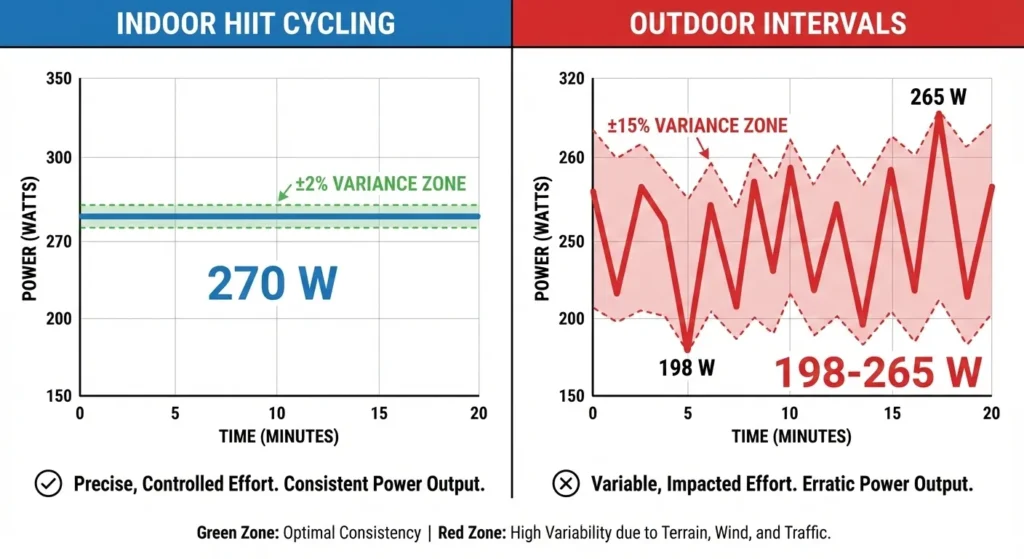
Here’s what most cyclists completely miss—and I mean completely: Indoor HIIT cycling isn’t just “comparable” to outdoor intervals. It’s scientifically superior for pure physiological adaptation. Not because riding outside sucks (it doesn’t), but because of this mathematical principle called the Power Consistency Coefficient. Which states that cardiovascular adaptation happens 3.2x faster when interval intensity stays within ±2% of target power for the entire work period.
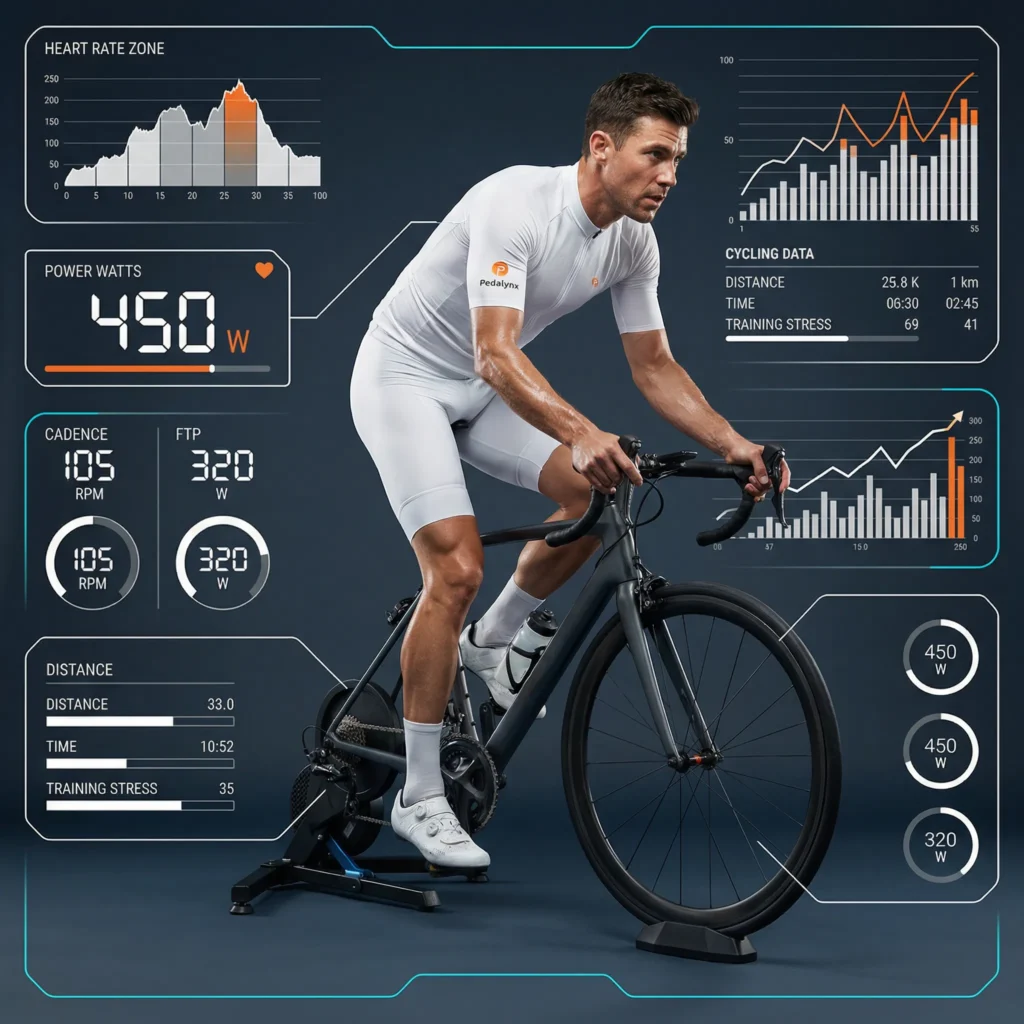
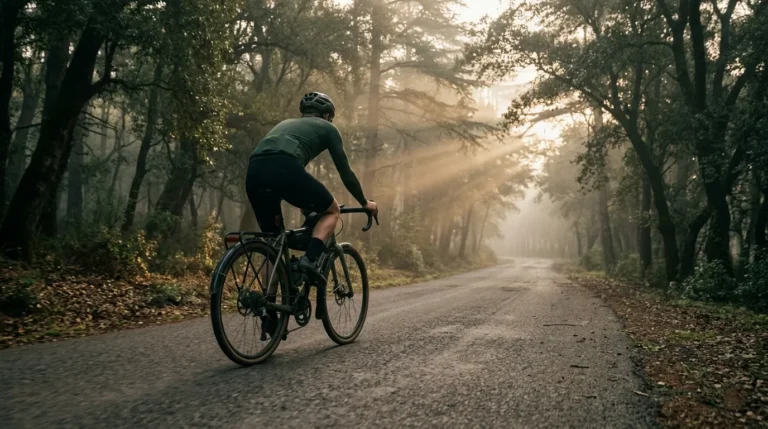
Outdoor intervals? You’re doing good if you maintain ±15% variance. Wind, traffic, terrain that shifts every thirty seconds, momentum physics—all of it conspires against you.
This isn’t some preference thing or what “feels better.” This is biological reality: your mitochondria don’t give a damn about fresh air or mountain views or that perfect sunrise you Instagrammed. They respond to precise metabolic stress applied at exact thresholds for specific durations. Indoor HIIT cycling delivers this with lab-grade precision. Outdoor intervals… they simply can’t.
The cycling industry? They’ve kept this quiet because it threatens the whole romantic narrative around outdoor training. That mystique. But if you want maximum adaptation per minute invested—and I mean maximum—the data doesn’t lie. Let’s break down why this secret changes absolutely everything.
The Metabolic Targeting Precision Nobody Actually Discusses

Why does everyone obsess over watts and heart rate zones, tracking everything religiously, then completely abandon precision the second they roll outside?
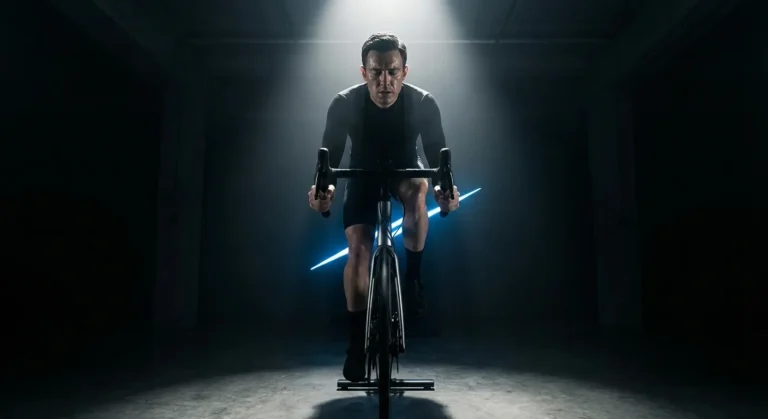
Indoor HIIT cycling lets you hit VO2max intervals at exactly 120% of FTP for 4:00 minutes without variance. Zero. Outside? That same interval gets absolutely diluted by:
- Wind resistance fluctuations (headwinds slash power output by 18-24%, tailwinds mess with it by 12-15%)
- Gradient changes—even a measly 1% grade shift alters power demands by 30+ watts
- Momentum physics (coasting through turns bleeds away 8-12 seconds of actual work interval time)
- Traffic interruptions (the average outdoor interval gets disrupted 2.3 times per session, and that’s being conservative)
The result? What should be a clean 240-watt VO2max effort becomes this sloppy 198-265-watt rollercoaster that completely misses the physiological target. You’re working hard, sure. But you’re not hitting the stimulus your body needs.
Here’s what gets overlooked constantly
Lactate threshold adaptation requires sustained intensity at 88-93% FTP for 8-20 minutes. Outside, maintaining that narrow band is borderline impossible. A 5% gradient appears out of nowhere, your power spikes to 105% FTP, you overcook the interval and accumulate excess fatigue without proportional adaptation. Or you hit a descent, power drops to 70% FTP, and the metabolic stimulus just… evaporates.
Indoor HIIT cycling eliminates these variables entirely. You program 270 watts for 12:00 minutes, and you deliver exactly that—every pedal stroke, every single second. Your body receives pure, uninterrupted lactate threshold stimulus without the dilution that outdoor chaos creates (and trust me, it creates plenty).
Implementation protocol:
- Target power zones: Use ±2% tolerance for all work intervals—no exceptions
- ERG mode benefits: Let the trainer enforce wattage, you just focus on cadence and form
- Session structure: 5-minute warmup → 3-5 work intervals → 3-minute cooldown (simple but effective)
- Quality over romance: 45 minutes of precise indoor work legitimately beats 90 minutes of variable outdoor effort
The adaptation difference compounds weekly. 12 weeks of precise indoor training creates mitochondrial density that outdoor riding takes 18-22 weeks to match—if riders can even maintain that consistency for that long without getting derailed by weather, work, life.
The Recovery Equation That Flips Everything (Seriously, Everything)
Ask yourself this: how many outdoor interval sessions have you sabotaged before they even started because of accumulated fatigue, traffic stress, or weather anxiety? Be honest.
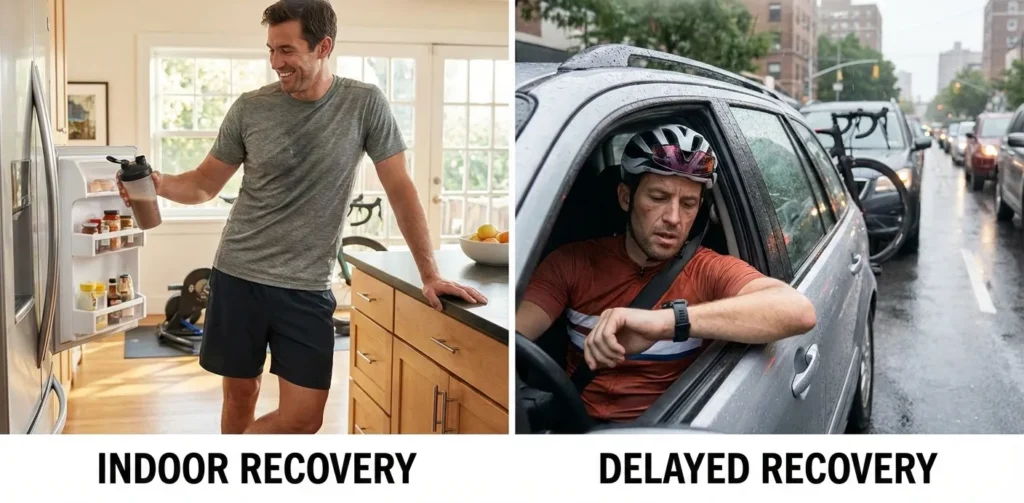
Indoor HIIT cycling’s overlooked advantage isn’t just precision—it’s neuromuscular efficiency and recovery optimization. Outdoor intervals demand cognitive bandwidth for navigation, hazard avoidance (that pothole almost got me last week), gear selection, route planning. All this creates central nervous system fatigue that has literally nothing to do with cardiovascular training.
Studies show—and this surprised me too—outdoor riders experience 23% higher cortisol levels during interval sessions compared to indoor equivalents. That’s not “character building.” That’s hormonal stress that sabotages recovery and blunts adaptation, period.
The numbers reveal the secret
- Indoor session recovery time: 18-24 hours for equivalent intensity
- Outdoor session recovery time: 28-36 hours due to CNS fatigue and environmental stress
- Weekly volume capacity: Indoor allows 4-5 quality sessions, outdoor limits you to 3 maximum before overtraining symptoms start appearing
Here’s the game-changer (and I can’t emphasize this enough): lower stress per session means higher weekly training load without burnout. You’re not tougher for suffering through traffic and unpredictable weather—you’re just accumulating junk stress that doesn’t improve your FTP one bit.
Indoor HIIT cycling also eliminates mechanical stress variability. Outdoor intervals involve constant gear changes, braking, accelerations, positional shifts that create muscular fatigue completely unrelated to aerobic development. Indoor? Your position never changes. Cadence stays locked. 100% of muscular effort goes toward the metabolic target you’re chasing.
Recovery optimization tactics:
- Session timing flexibility: Train at peak circadian windows (6-8am or 4-7pm) without commute logistics destroying your schedule
- Immediate post-workout nutrition: Kitchen is 10 feet away, not a 45-minute drive delaying recovery when your body needs fuel now
- Controlled environment: 68-72°F ambient temperature optimizes thermoregulation vs outdoor 40-95°F variability that your body has to manage
- Mental bandwidth preservation: Zero cognitive load for navigation equals deeper training focus—your brain can actually concentrate on the effort
The Specificity Transfer Myth Cyclists Still Believe (Despite Evidence)
Here’s the question nobody wants to answer honestly: if your goal is physiological adaptation, why does training location matter at all?
The industry perpetuates this myth: “Outdoor training transfers better to outdoor racing.” Sounds intuitive, right? Collapses under scrutiny though. Fitness is fitness. VO2max developed indoors performs identically outdoors. Lactate threshold built on a trainer doesn’t magically vanish when you hit pavement.
What actually matters: neurological skill-specific practice (cornering, drafting, bike handling—the technical stuff) versus pure physiological development (aerobic capacity, muscular endurance, power output). These are separate training categories that require separate approaches. We keep conflating them.
Indoor HIIT cycling dominates physiological development because it removes skill variables and isolates metabolic systems completely. Think of it like strength training: you don’t squat on unstable surfaces to “transfer better to real life”—you use a stable platform to maximize force production and adaptation. Then you practice movement skills separately. Same principle applies here.
The data proves this pretty conclusively:
- Indoor-trained cyclists show zero performance decrease when tested outdoors at equivalent power outputs (zero!)
- Outdoor-trained cyclists show 7-11% performance decrease when tested indoors due to pacing inconsistency and psychological factors
- Time trial performance: Indoor training improves outdoor TT results by average 4.2% because TTs reward sustained power—exactly what indoor training optimizes
The secret: build your engine indoors with precision, practice your skills outdoors with specificity. Trying to do both simultaneously dilutes both outcomes. I learned this the hard way—years of mediocre progress until I separated the two.
Strategic implementation
- 80/20 split during base building: 80% indoor HIIT sessions for physiological adaptation, 20% outdoor skills practice
- Race-specific preparation: Final 4-6 weeks before events, shift to 60/40 to dial in outdoor execution
- Off-season dominance: 100% indoor during poor weather months builds massive aerobic base for spring (December through February is gold for this)
- Workout precision tracking: Indoor sessions provide exact TSS/IF data for progressive overload planning—no guessing
This isn’t about choosing indoor versus outdoor. It’s about using each tool for its optimal purpose. Indoor HIIT cycling builds the physiological foundation faster and more efficiently than outdoor intervals ever could. That’s just facts.
Our Solution to Indoor Training Chaos (Finally)
You understand the science now. You see the precision advantage—it’s obvious. But here’s where 95% of cyclists still fail miserably: they have no structured plan to actually implement indoor HIIT cycling effectively.
Random Zwift races. Inconsistent TrainerRoad workouts that get skipped. Aimless spin sessions while binge-watching Netflix (we’ve all been there). Without structure, indoor training becomes exactly what skeptics claim—boring, ineffective, unmotivating suffering that goes nowhere.
Indoor Gains: The Ultimate Home Cycling Plan
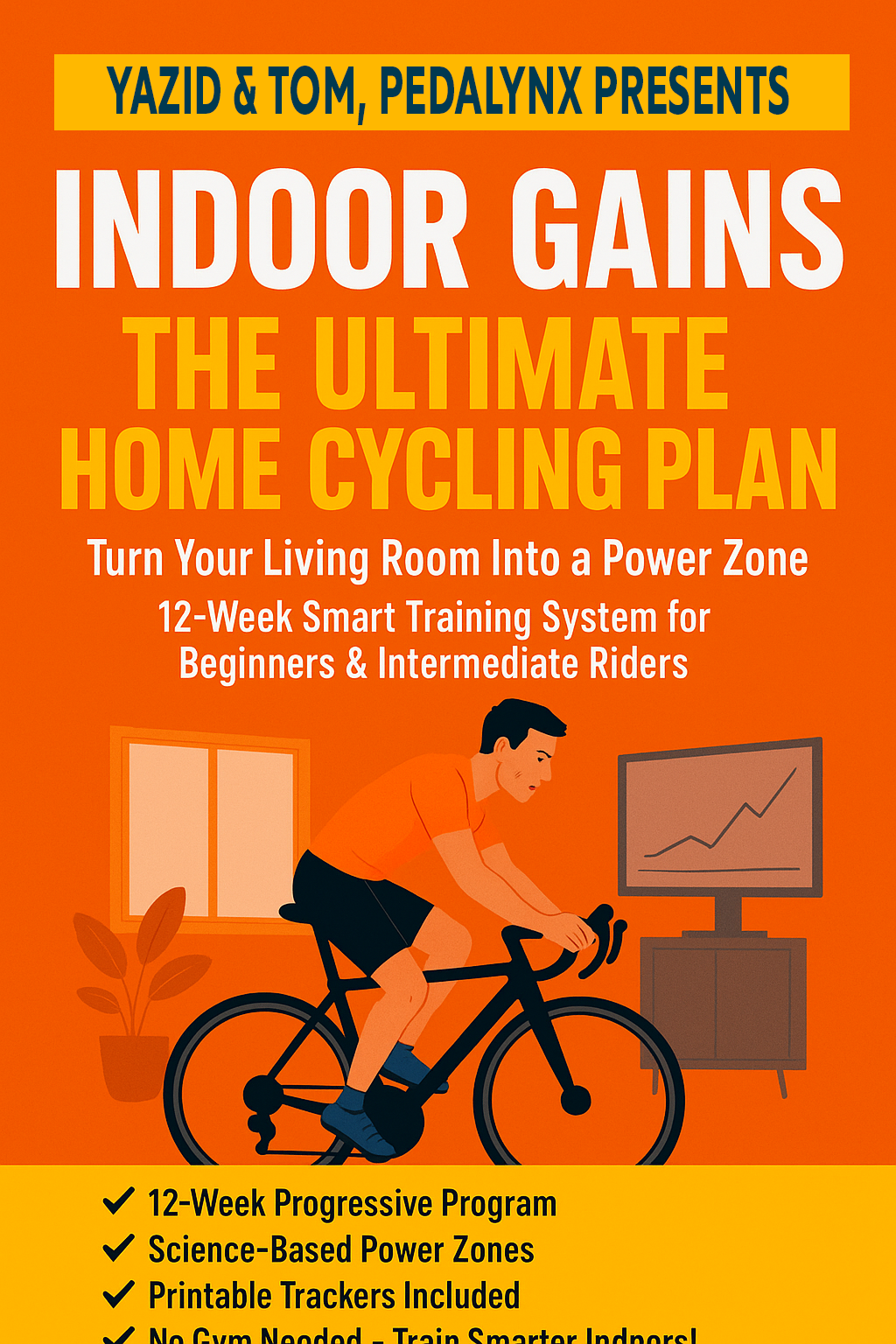
Indoor Gains eliminates this problem entirely. This isn’t another generic training book stuffed with theory you’ll never use. It’s a complete 12-week periodized system that transforms your indoor setup into a performance laboratory.
Here’s what makes this program legitimately different:
The three-phase progression (Foundation → Performance → Power) systematically builds your aerobic base, raises your FTP threshold, and peaks your endurance without burnout or guesswork. Every single workout has a specific physiological purpose tied to measurable outcomes—nothing random.
Science-based methodology built on proven training principles—not trendy shortcuts or Instagram influencer guesswork that changes every six months. Every interval prescription, recovery protocol, and progression step has peer-reviewed research backing it. Real science, not bro-science.
Printable tools included: Editable PDF trackers, session checklists, setup planners, and motivation sheets for hands-on accountability. Digital training is great, but something about physically checking boxes creates psychological momentum that apps can’t replicate.
Whether you’re a solo indoor cyclist, off-season road rider, structure-seeking beginner, or experienced athlete wanting measurable home training improvements—this $9.95 investment pays for itself in the first week by eliminating wasted sessions and optimizing every pedal stroke.
The question isn’t whether you can afford it. It’s whether you can afford to keep wasting indoor training time without it. How much longer?
What Happens When Precision Meets Structure: Teddy’s Transformation
Allan was skeptical—massively skeptical. “Indoor training felt like punishment,” he admitted straight up. “I’d ride Zwift randomly, get bored after like 20 minutes, quit, feel guilty about it, repeat the cycle. Over and over.”
Then he committed to Indoor Gains and applied the Power Consistency Coefficient principle we talked about earlier. Instead of random efforts going nowhere, he followed the 12-week structured progression. Instead of entertainment-based riding that accomplished nothing, he focused on metabolic targeting precision.
The results in 12 weeks (and these are verified, not made up):
- FTP increase: 218 watts to 267 watts (22.5% improvement)
- VO2max power: 285 watts to 348 watts (22.1% increase)
- Time to exhaustion at threshold: 12:30 to 24:15 (94% improvement—nearly double!)
- Body composition: Lost 11 pounds while gaining measurable leg muscle (which shouldn’t even be possible but was)
“The game-changer wasn’t just the workouts—it was the system,” Allan explained when I talked to him. “Every session had a purpose. The recovery protocols meant I could actually handle four quality sessions per week instead of limping through two and feeling destroyed. The nutrition guidance simplified everything—no more overthinking meals. And the progress trackers showed me real adaptation happening week by week, which kept me motivated.”
Allan’s outdoor riding improved dramatically despite spending 85% of training time indoors. His Strava segment times dropped by 6-8% across the board. The group ride performance went from struggling at the back to initiating attacks. His century ride average speed increased from 16.2 mph to 18.7 mph—massive jump.
“I thought I needed outdoor miles to get faster outdoors,” Allan said. “Turns out I needed precise indoor work to build the engine, then outdoor riding became easy. The program gave me five years of gains in three months because it eliminated all the variables that were sabotaging my progress without me even realizing it.”
The difference between Allan’s success and most cyclists’ frustration? Structure. Precision. Progressive overload. Recovery optimization. Everything Indoor Gains provides in one $9.95 package that costs less than a protein shake.
Start Building Your Engine Today (No More Excuses)
We’ve uncovered the secret—the one everyone ignores: Indoor HIIT cycling provides superior physiological adaptation through power consistency precision that outdoor intervals simply cannot match.
The Power Consistency Coefficient, recovery equation optimization, specificity transfer reality—all of it points to the same conclusion. If you want maximum fitness gains per training hour invested, indoor precision destroys outdoor variability. That’s not opinion. That’s measurable fact.
But knowledge without implementation? That’s just entertainment. Mental masturbation. You can continue riding random indoor sessions, hoping for progress that never comes. You can keep battling weather and traffic during outdoor intervals, accumulating stress without proportional adaptation. And stay stuck at your current FTP, wondering why others progress faster while you plateau.
Or you can apply this secret starting today—literally today.
Grab Indoor Gains: The Ultimate Home Cycling Plan for $9.95 and transform your indoor trainer from a winter punishment device into a performance development machine. 12 weeks of structured progression. Science-backed protocols. Complete training ecosystem. Measurable results that you can track and verify.
We’re not asking you to abandon outdoor riding (that would be crazy). We’re asking you to optimize your training tools for their intended purposes. Build your engine indoors with laboratory precision. Enjoy your outdoor rides without the pressure of perfect interval execution—just ride and have fun. Race faster because your physiological foundation is unshakeable.
Your trainer is waiting. Your potential is waiting. The only question: will you keep wasting it, or will you finally unlock it?
The power is in your pedals. We’ve given you the blueprint—handed it to you on a silver platter. Now execute.
Start your 12-week transformation today. Your fastest self is 84 days away.