
The Best Fluffy Pancakes recipe you will fall in love with. Full of tips and tricks to help you make the best pancakes.

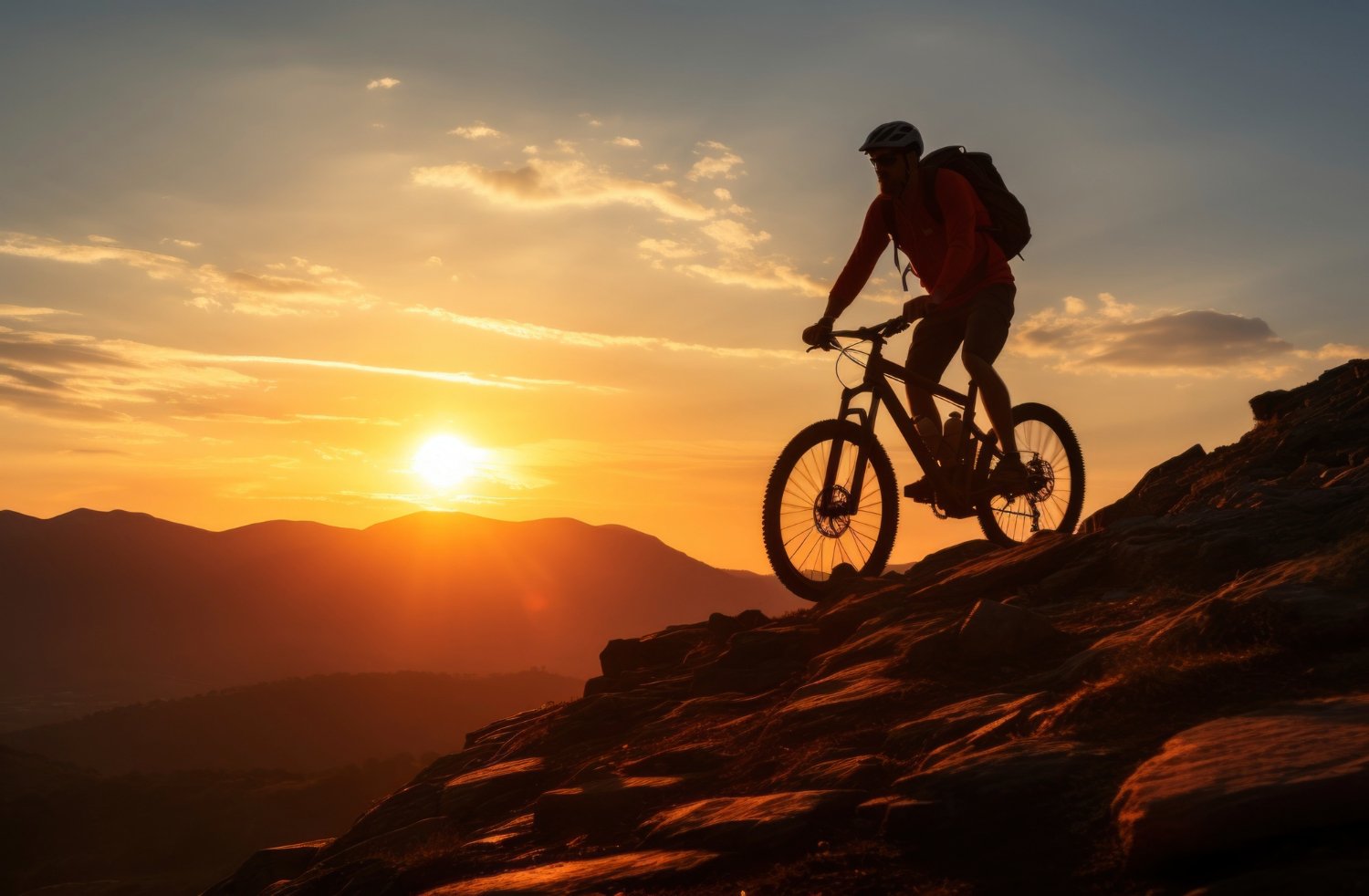
Welcome to your all-in-one resource for Mountain Biking! Whether you’re tackling rugged singletrack, flowing through forest trails, or choosing your first mountain bike, this pillar page has got you covered. We bring together expert advice, hand-picked gear recommendations, detailed trail guides, and pro tips to elevate your off-road adventures.
From understanding the difference between bike types to gearing up and finding the best U.S. trails, you’ll find it all here. Consider this your virtual trail map to smarter rides and epic experiences.
Let’s get rolling and build your mountain biking journey from the ground up.
Best Full-Suspension Mountain Bikes by Budget
Not all bikes are created equal. Full-suspension bikes can smooth out the roughest terrain, but they can also dent your wallet if you’re not careful. This guide breaks down the best-performing full-suspension mountain bikes across price ranges—whether you’re ballin’ on a budget or ready to splurge.
➡️ Read: Best Full-Suspension Mountain Bikes by Budget »
Hardtail vs Full Suspension: Which Should You Choose?
The hardtail vs full-suspension debate rages on. We unpack the pros, cons, and ideal use cases for both so you can make a smart investment. Hint: terrain and riding style matter more than you think.
➡️ Compare: Hardtail vs Full Suspension »
Must-Have Mountain Biking Gear for Every Ride
From gloves to hydration packs, this essential checklist ensures you’re always trail-ready. Forgetting one item could turn a fun ride into a long walk home. Don’t let it happen.
➡️ Check it: Mountain Biking Gear Checklist »
Top-Rated MTB Trails in the U.S.
Ready to explore America’s most stunning and adrenaline-pumping mountain bike trails? This guide lists top picks by region and skill level—complete with tips, terrain descriptions, and GPS links.
➡️ Explore: Top MTB Trails in the U.S. »
Best Mountain Bike Tires for Different Terrains
The right tire can transform your ride. This article reviews top tire picks for mud, rock, sand, and mixed conditions—covering tread patterns, casing, and rubber compounds that maximize traction and control.
➡️ Read: Best Mountain Bike Tires for Different Terrains »
Flat Pedals vs Clipless for Trail Riding
Flat or clipless? The pedal debate is as old as trail riding itself. This guide breaks down the pros and cons of each system—grip, power transfer, crash safety, and confidence—so you can decide what suits your style and terrain.
➡️ Compare: Flat Pedals vs Clipless for Trail Riding »
Beginner’s Guide to Mountain Biking
Ready to hit the trails but don’t know where to start? This beginner-friendly guide covers everything new mountain bikers need: choosing your first bike, basic skills for staying upright, trail selection, and safety essentials. Start your MTB journey with confidence and avoid the common mistakes that discourage beginners.
➡️ Start Riding: Beginner’s Guide to Mountain Biking »
Choosing the Best MTB Brakes: Hydraulic vs Mechanical
Brakes can make or break your trail experience—literally. Should you invest in hydraulic brakes or stick with mechanical? This detailed comparison covers stopping power, modulation, maintenance requirements, and cost differences. Make the right choice for your riding style and terrain.
➡️ Brake Smart: Choosing the Best MTB Brakes: Hydraulic vs Mechanical »
Essential MTB Tools to Carry on Every Ride
Breaking down on a remote trail without tools turns a great ride into a long walk. This guide reveals the essential multi-tools, spares, and emergency items every mountain biker should carry. Pack smart, ride confident, and be ready to fix common trail-side mechanicals.
➡️ Pack Right: Essential MTB Tools to Carry on Every Ride »
Trail Etiquette: Sharing the Trail with Hikers & Riders
Trail conflicts ruin the experience for everyone. Learn the unwritten rules of trail sharing, right-of-way protocols, and respectful riding practices that keep trails open and relationships positive. Good etiquette protects trail access and builds community.
➡️ Ride Respectfully: Trail Etiquette: Sharing the Trail with Hikers & Riders »
MTB Maintenance Schedule: What to Check & When
Mountain bikes take a beating on the trails. This comprehensive maintenance schedule tells you exactly what to check daily, weekly, monthly, and annually to keep your bike running smoothly and catch problems before they become expensive repairs.
➡️ Maintain It: MTB Maintenance Schedule: What to Check & When »
Best Mountain Bike GPS Devices
Getting lost on trail networks is no fun. Modern GPS devices offer navigation, ride tracking, and performance metrics specifically designed for mountain biking. This guide compares the top GPS units for features, battery life, durability, and trail-specific functionality.
➡️ Navigate Trails: Best Mountain Bike GPS Devices »
Best MTB Helmets for Trails
Your helmet is the one piece of gear you can’t compromise on. This comprehensive review covers the best mountain bike helmets for trail riding, comparing MIPS technology, ventilation, coverage, and fit. Find the perfect helmet that balances protection, comfort, and style.
➡️ Protect Your Head: Best MTB Helmets for Trails »
Flexibility & Mobility for Cyclists
Tight hips and hamstrings slowing you down? Proper flexibility and mobility work prevents injuries, improves bike handling, and helps you stay comfortable on long rides. This guide covers essential stretches and mobility routines every mountain biker should include in their training.
➡️ Stay Supple: Flexibility & Mobility for Cyclists »
Mountain Bike Skills Clinics: Are They Worth It?
Should you spend money on a skills clinic or just keep practicing on your own? This honest assessment breaks down what skills clinics actually teach, typical costs, and whether the investment translates to real improvement on the trails. Find out if coaching is right for your skill level.
➡️ Level Up: Mountain Bike Skills Clinics: Are They Worth It? »
How AI & Smart Tech Are Redefining Mountain Biking
Artificial intelligence is revolutionizing mountain biking in unexpected ways. From suspension systems that adapt to terrain in real-time to AI-powered coaching apps analyzing your technique, smart technology is making mountain bikers faster and safer. Discover the innovations changing the sport.
➡️ Go High-Tech: How AI & Smart Tech Are Redefining Mountain Biking »
The Lightweight e-MTB Revolution: What It Means for Trail Training
E-MTBs have shed serious weight and gained trail credibility. These new lightweight electric mountain bikes are changing how riders train, allowing more laps, bigger climbs, and focused skill work. Learn how e-MTBs can enhance your training—even if you race on analog bikes.
➡️ Explore e-MTB: The Lightweight e-MTB Revolution: What It Means for Trail Training »
How Mountain Bikers Are Using Analytics to Get Faster
Data isn’t just for road cyclists anymore. Mountain bikers are leveraging ride analytics, segment times, power data, and video analysis to identify weaknesses and shave seconds off technical sections. This guide shows you how to use analytics without losing the fun of riding.
➡️ Analyze Performance: How Mountain Bikers Are Using Analytics to Get Faster »
Nutrition & Recovery for Multi-Day MTB Adventures
Multi-day backcountry rides demand different nutrition strategies than your local trail loop. Learn how to fuel properly during epic adventures, optimize recovery between riding days, and prevent the energy depletion that ruins day three of your trip.
➡️ Fuel Adventures: Nutrition & Recovery for Multi-Day MTB Adventures »
Technical MTB Mastery: How To Ride Faster
Speed on technical terrain isn’t just about fitness—it’s about skill. Master cornering, rock gardens, drops, and climbing technical sections with confidence. This guide breaks down the techniques that separate smooth riders from the ones who brake through everything.
➡️ Master Trails: Technical MTB Mastery: How To Ride Faster »
AI for Cyclists: How Smart Tech Is Changing Cycling in 2026
Welcome to the AI revolution in cycling. From suspension analytics to training plan optimization, see how artificial intelligence is transforming mountain biking, racing strategy, and performance analysis. The future is here—and it’s making you faster on the trails.
➡️ Discover AI: AI for Cyclists: How Smart Tech Is Changing Cycling in 2026 »
3 Mountain Biking Drills to Boost Power and Endurance
Want to climb stronger and ride longer? These three targeted drills develop the specific power and endurance demands of mountain biking. No gym required—just your bike, some trail time, and commitment to structured practice that translates directly to trail performance.
➡️ Build Strength: 3 Mountain Biking Drills to Boost Power and Endurance »
From Cross-Country to Enduro: Which MTB Discipline Fits You
Most people stumble into their MTB discipline completely by accident—borrowed a mate’s bike, followed someone down a trail they probably shouldn’t have, ended up somewhere between terrified and completely hooked and thought, yeah, okay, I need more of this in my life. But XC and enduro aren’t just different vibes. They’re almost different sports. The fitness demands, the bike geometry, the culture—even the type of suffering involved is different. This post helps you actually figure out which one fits who you are. Not who you want to be on Strava. Who you actually are.
➡️ Find Your Discipline: From Cross-Country to Enduro: Which MTB Discipline Fits You »
Women Are Leading the MTB Charge: Inclusive Trends & Training Needs
Something has shifted—genuinely, meaningfully shifted—in mountain biking over the last couple of years and it’s not the kind of shift you can easily dismiss as marketing. Women aren’t just showing up more. They’re building trails, starting brands, winning races in formats that didn’t exist for them a decade ago. The coaching is changing too. Finally. Programs built around actual female physiology rather than just… shrinking a men’s plan and hoping for the best. This post gets into what’s changed, what’s still lagging behind, and why 2026 might be the most interesting year yet for women in MTB.
➡️ See the Shift: Women Are Leading the MTB Charge: Inclusive Trends & Training Needs »
Trail Bikes 2026 Setup Guide
Here’s something nobody warns you about when you buy a modern trail bike—it will feel wrong out of the box. Not broken. Just… not right. Because the geometry on 2026 builds is genuinely different from anything that came before. Longer reach, slacker head angles, more travel than bikes this weight had any business running three years ago. All of that capability stays locked away until the setup is dialled. Sag, bar height, tire pressure, rebound—this guide walks through all of it without the usual jargon fog that makes suspension setup feel like rocket science when it really, really isn’t.
➡️ Set It Up Right: Trail Bikes 2026 Setup Guide »
The Essential Guide to Mountain Bike Maintenance
A badly maintained bike is a liability. Full stop. It doesn’t just slow you down—it waits. Waits for the worst possible moment, the one that’s farthest from the trailhead and most inconvenient, and then it fails spectacularly. Snapped chain, seized brake caliper, fork that’s been making that noise for six weeks and finally gives up entirely on a steep descent. Most of this is avoidable. Not with expensive tools or hours of your weekend—just consistency, a few basic habits, and actually knowing what to look for before every ride.
➡️ Keep It Running: The Essential Guide to Mountain Bike Maintenance »
Essential Mountain Biking Safety Tips: A Comprehensive Guide
Nobody wants to read a safety article. I get it. It feels like being handed a terms and conditions document before you’re allowed to have fun. But here’s the thing—mountain biking injuries aren’t random. They follow patterns. The same scenarios, the same mistakes, the same moments where someone thought they were fine and then very suddenly wasn’t. Helmet fit, trail communication, riding alone in remote areas, knowing when to walk a feature… this guide covers the stuff that actually matters, without being preachy about it. Mostly.
➡️ Ride Safe: Essential Mountain Biking Safety Tips: A Comprehensive Guide »
The Ultimate Nutrition Plan for Cyclists: Fueling Your Performance
Fueling sounds like it should be the easy part. Eat food, ride bike, repeat. And then you bonk—properly bonk, legs turning to wet cement somewhere remote and miserable—and you realise that winging your nutrition has consequences. MTB nutrition is its own beast too, different from road in ways that matter. The effort isn’t linear. You’re spiking and recovering, spiking and recovering, sometimes for four or five hours across terrain that demands focus as much as fitness. This post maps out a proper system. Carb timing, protein targets, hydration on hot days versus cold ones. The whole thing.
➡️ Fuel Everything: The Ultimate Nutrition Plan for Cyclists: Fueling Your Performance »
Fast-Forward Your Bike Chain Cleaning: 4 Techniques That Cut Your Time in Half
The chain is always the last thing. You get back from a ride—tired, maybe a bit muddy, definitely hungry—and the chain just sits there, caked in something that looks like it has its own ecosystem developing. And you think, I’ll do it tomorrow. Then tomorrow becomes a week and suddenly your drivetrain is making a sound like a bag of gravel being shaken next to expensive components. These four techniques fix the time problem. Fast, genuinely effective, tested on the kind of chains that come back from wet enduro stages looking like they’ve been through a war.
➡️ Clean Faster: Fast-Forward Your Bike Chain Cleaning »
What to Eat Before a Long Bike Ride
There’s a particular kind of regret that hits about ninety minutes into a long MTB ride when you realise the breakfast you chose was catastrophically wrong. Too heavy and you’re sluggish, your stomach lodging a formal complaint somewhere around the first technical climb. Too light and you’re already doing mental maths on how many gels you have left versus how much trail remains. Unlike road rides where effort is relatively predictable, MTB throws explosive demands at you constantly—out of corners, over rock gardens, up punchy little rises that don’t look hard until they are. Getting the pre-ride meal right matters more than most people think.
➡️ Eat Right: What to Eat Before a Long Bike Ride »
How to Get Faster at Mountain Biking (Proven Training Blueprint)
Trail speed is a weird, elusive thing. It’s not purely fitness—plenty of very fit riders are slower than people who ride half as much but ride better. It’s not purely technique either, though technique is probably underrated by most people reading this. It’s something that happens in the overlap between the two, in the moments where your body responds before your brain has finished processing the trail ahead. Flow, some people call it. This blueprint is about building toward that—structured training, deliberate skill work, the mental habits that separate riders who get faster from riders who just get more tired in the same places.
➡️ Get Faster: How to Get Faster at Mountain Biking »
How to Climb Steep Trails Without Burning Out
Steep climbs are where MTB rides quietly fall apart—not always dramatically, just gradually, one grinding pedal stroke at a time until something gives. The front wheel lifts. The rear tire spins. The heart rate climbs into a range that feels vaguely medical. Most riders just endure this and call it character building. There is, it turns out, a better approach—weight distribution, traction management, gear selection before the gradient hits rather than during it, pacing that doesn’t leave you shattered before the fun descents even start. This post turns climbing from the thing you suffer through into something you might—genuinely might—start to enjoy.
➡️ Conquer the Climb: How to Climb Steep Trails Without Burning Out »
How to Increase Your MTB Endurance Fast
Fast is doing a lot of work in that title and honestly, fair challenge. Real endurance takes time—there’s no way around that basic biological fact. But there’s a significant difference between building it efficiently and building it the slow, haphazard way most riders accidentally default to. Zone 2 work that actually stays in zone 2. Progressive trail rides structured around adaptation rather than just accumulating fatigue. Interval sessions designed around the stop-start, explosive-recovery pattern that MTB actually demands rather than the steady-state model borrowed from road cycling. It’s a different approach. It works faster. That’s the honest version of the promise.
➡️ Build It Fast: How to Increase Your MTB Endurance Fast »
What Pro Mountain Bikers Do Differently (That You Don’t)
Watch a top-level enduro or XC rider on technical terrain and the thing that strikes you—the thing that’s almost unsettling—is how unhurried they look. Like the trail is slower for them somehow. Features that would demand full concentration from most riders get processed and dispatched in what looks like half a second of casual attention. Some of that is talent. A lot of it is habit—specific, learnable, repeatable habits around vision, body position, trail reading, and the mental side of committing to a line. This post breaks those habits down. Some will seem obvious once you read them. At least one will change something about how you ride.
➡️ Ride Like the Pros: What Pro Mountain Bikers Do Differently (That You Don’t) »
MTB Gear Ratio Guide: 3 Strategies That Actually Get Your Drivetrain Right
Gear ratios should be a simple topic. They are not. Ask in any forum and you’ll surface a layer of conflicting opinions, regional preferences, and at least one person who has done extensive spreadsheet modelling and wants to share all of it. The practical reality for most trail and enduro riders is simpler than the discourse suggests—it’s about matching your drivetrain to the terrain you actually ride, not the terrain some average user profile rides. These three strategies cut through the noise. Your climbing will feel different. Your flow on descents will improve. The drivetrain will finally feel like it was set up for you specifically.
➡️ Dial It In: MTB Gear Ratio Guide: 3 Strategies That Actually Get Your Drivetrain Right »
What’s The Best Age to Start Mountain Biking?
There isn’t one. That’s the answer—and it’s not a dodge, it’s genuinely the most liberating thing about this sport. Three-year-olds are absolutely destroying pump tracks on balance bikes while their parents watch with the specific expression of people who are simultaneously proud and slightly concerned. Meanwhile, people in their mid-fifties are discovering trail riding for the first time and describing it in terms that sound less like a hobby and more like a spiritual experience. The real question has never been about age. It’s about finding the right entry point, building confidence in the right sequence, and not letting anyone—including yourself—convince you that the window has closed. It hasn’t.
➡️ Start Riding: What’s The Best Age to Start Mountain Biking? »
Mountain Biking: The Ultimate Trail Sport
Whether you’re riding for fun, fitness, or freedom, Mountain Biking delivers an unmatched outdoor experience. With the right gear, prep, and trail knowledge, you’re set for safe and thrilling adventures. Bookmark this page and use it as your go-to resource whenever you’re planning your next ride—or upgrade.