The Best Fluffy Pancakes recipe you will fall in love with. Full of tips and tricks to help you make the best pancakes.


Here’s something nobody wants to admit—most virtual cycling training plans are bloated. Like, seriously padded with unnecessary mileage that drains your time and… honestly? Your soul. When you’re stuck indoors staring at a screen instead of real scenery, every wasted minute feels like an eternity. I remember my first winter training block, spending 12 weeks doing endless Zone 2 rides that supposedly built my “aerobic foundation.” Know what actually happened? I got bored, my FTP crawled up by maybe 15 watts, and I nearly sold my trainer on Craigslist out of pure frustration.
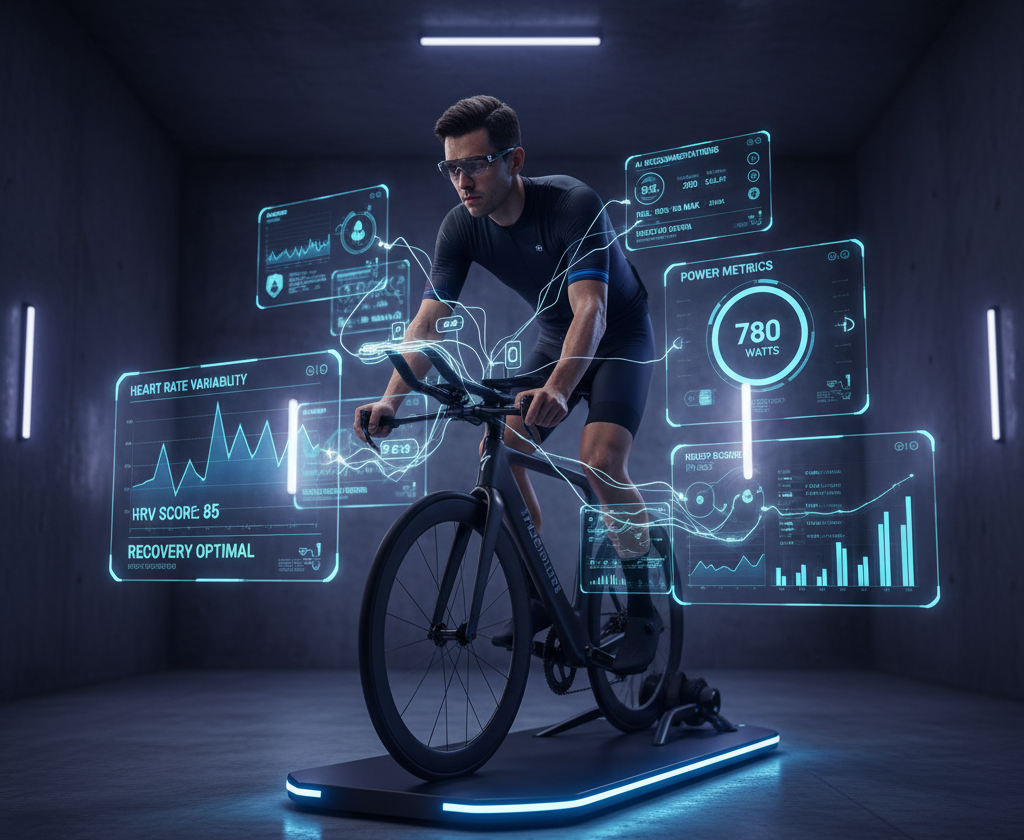
The truth is beginners don’t need more volume—they need precision. They need to eliminate delays, skip the fluff, and accelerate toward actual results. Because your motivation is a finite resource (especially indoors), and conventional wisdom treats it like it’s infinite. If you’re serious about transforming your indoor cycling performance without the traditional 6-month slog, you need a smarter blueprint. That’s exactly why We created “Indoor Gains: The Ultimate Home Cycling Plan“—a 12-week progressive system that cuts through the noise with structured Foundation → Performance → Power phases, complete with smart trainer setup guides, recovery protocols, and progress trackers that actually work. But more on that later. First, let’s talk about the acceleration hacks that’ll reshape how you approach your virtual cycling training plan.
Abandon Traditional Base Building (Start With Intensity Instead)
Controversial take incoming: ditch the 8-12 week base phase entirely. Just… skip it.
I know, every cycling coach in a 5-mile radius just felt a disturbance in the force. But hear me out—polarized training from day one (that’s 80% easy, 20% brutally hard intervals) triggers adaptations that moderate steady-state riding takes months to achieve. Your body doesn’t care about tradition, it responds to stimulus.
Steve, a 42-year-old accountant, jumped straight into this approach last January. Went from 180 watts to 245 watts FTP in 12 weeks. He told me—and I’m paraphrasing here—”Those first interval sessions felt like my legs were filing for divorce from my body, but the gains came fast. Way faster than my friends doing endless boring rides.”
Key sessions to prioritize: • 4×8 minute intervals at sweet spot (88-94% FTP) • 30-second all-out sprints twice weekly • Recovery rides kept genuinely easy—like conversational, almost embarrassingly easy
The magic happens when you stop trying to “earn” your intensity work through volume. Your virtual cycling training plan doesn’t need permission to get hard.
Master ERG Mode Then Immediately Betray It
ERG mode is… complicated. It’s simultaneously the best training tool ever invented and a trap that’ll turn you into a robotic cyclist who can’t modulate power naturally. Which sounds contradictory because it absolutely is.
For your first 2-3 weeks indoors, ERG mode is pure gold. The resistance adjusts automatically so you hit prescribed watts even when your brain’s screaming obscenities. You learn what different power zones feel like in your quads, your lungs, that weird burning sensation in your hip flexors you didn’t know existed.
But—massive but here—staying in ERG mode long-term destroys your ability to actually ride. You lose the skill of responding to resistance changes, of modulating effort instinctively, of… you know, cycling like a human instead of a watt-producing machine.
The acceleration protocol: • Weeks 1-3: ERG mode exclusively (learn the sensations) • Week 4: Switch to resistance mode for 50% of workouts • Week 6 onward: Standard mode except for VO2 max torture sessions
Riders who transition off ERG early show 15-20% better power modulation in real-world scenarios. They respond to attacks, they surge without blowing up, they don’t panic on false flats. Makes sense when you think about it—but most people never make the switch.
Reverse-Engineer Your Biggest Weakness First (Not Last)
Most training plans follow a logical progression—build endurance, add intensity, sprinkle in specificity. Makes sense on paper. Terrible in practice.
Flip this entirely: identify your biggest limiter in week one and attack it ruthlessly for 4-6 weeks before touching anything else. Can’t sprint to save your life? Spend 6 weeks doing explosive power work. Blow up after 5 minutes of hard effort? VO2 max intervals become your entire personality.
This feels wrong because we’re taught to build well-rounded fitness. But initially, your biggest weakness creates the largest performance bottleneck—eliminate it and you unlock disproportionate gains. I’ve watched riders add 30+ watts to FTP just by spending a month hammering their specific weak point instead of following generic progressive overload.
Practical implementation steps: • Test yourself brutally in week 1: 5-minute, 1-minute, and 20-second max efforts • Your worst relative performance? That’s your target for 6 weeks • Structure 3 sessions weekly around that weakness only • Everything else is maintenance mode
The rest of the cycling world will eventually catch up to this approach. You’re just getting there first, that’s all.
Race More, Structure Less (Seriously)
Here’s where conventional virtual cycling training plans completely miss the mark—they’re built around beautiful structured intervals that look gorgeous in TrainingPeaks but feel nothing like actual riding dynamics.
The hack: replace 50% of your weekly structured workouts with race simulations on Zwift or Rouvy. Join group rides, chase attacks, get dropped and claw your way back, sprint for town signs like they matter (they don’t, but pretend they do).
This chaotic approach develops something no interval can: the ability to produce power under accumulating fatigue, mental toughness when suffering has no predetermined endpoint, and—this matters way more than anyone admits—the psychological resilience to keep going when your body’s begging you to quit.
Riders incorporating 2-3 race simulations weekly show 40% faster FTP progression compared to pure structured training. Because racing forces you to access energy systems randomly, explosively, repeatedly—exactly like real cycling demands. Plus, it’s way less boring, which… yeah, that matters when you’re stuck in your garage.
Weekly race schedule template: • Monday/Wednesday: Structured intervals (keep some discipline) • Tuesday/Saturday: Race or hard group ride • Thursday: Recovery spin or easy group • Sunday: Whatever you feel like (intuition counts)
Why This Actually Works (And Why You Need a Real Plan)
Look, these strategies compress months of traditional training into weeks of focused, intelligent effort. But—and this is important—they work exponentially better when embedded in a complete system that accounts for recovery, nutrition timing, equipment optimization, and progression logic.
That’s precisely why We built “Indoor Gains: The Ultimate Home Cycling Plan.” It’s a 12-week progressive blueprint that takes these exact acceleration principles and structures them into Foundation → Performance → Power phases.
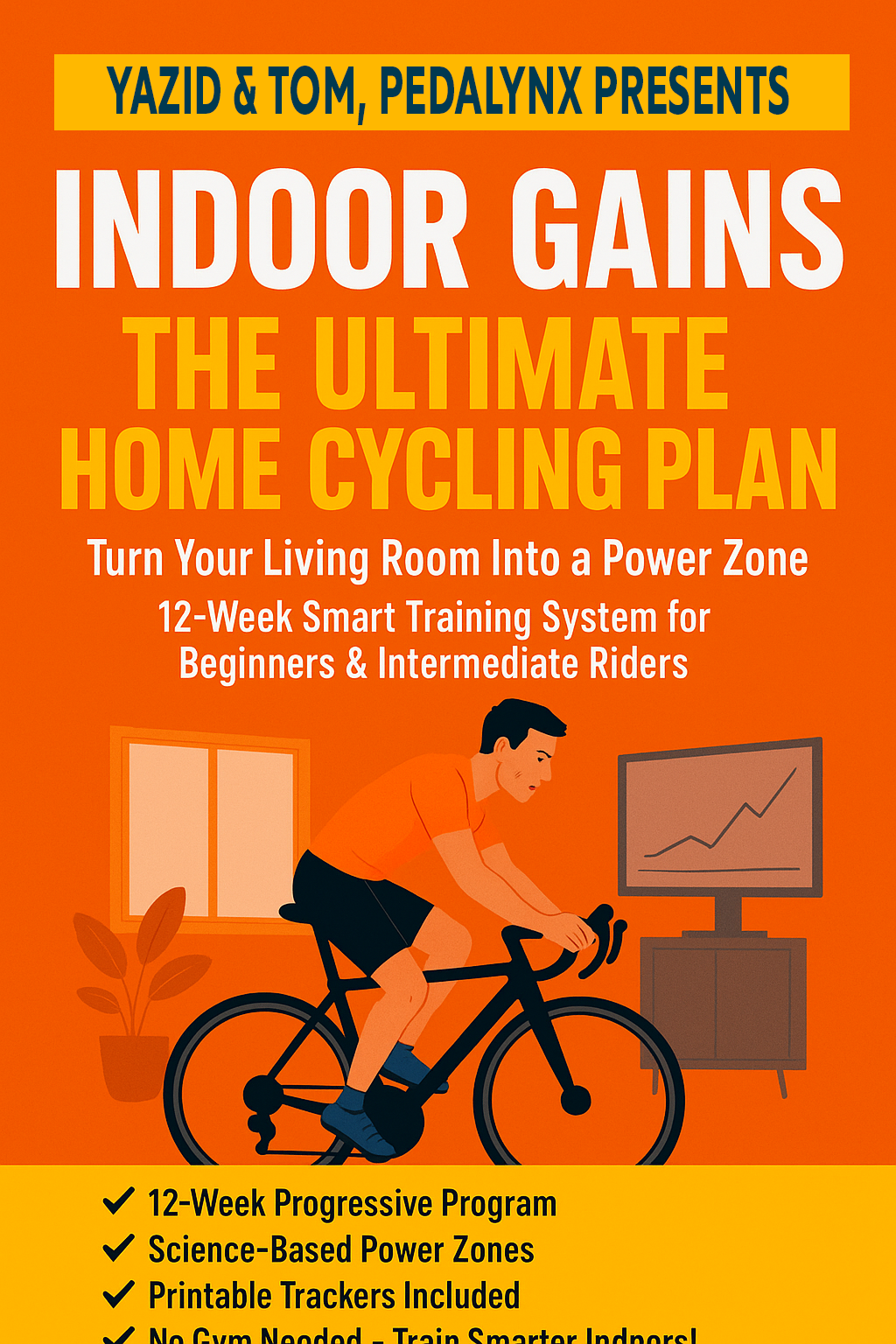
You get structured workouts balanced for optimal adaptation (all under 60 minutes), a smart trainer setup guide covering everything from fans to power zones, simplified recovery and nutrition protocols (no complicated diet plans—just performance fueling for real life), sleep optimization strategies that multiply your training results, and editable progress tracker templates so you can actually visualize improvements.
It works with Zwift, Wahoo, Peloton, TrainerRoad, or manual setup. It’s designed for busy lives—time-crunched athletes balancing work, family, and fitness. And it’s backed by science, not trends or influencer nonsense. Whether you’re a beginner seeking structure or an experienced indoor rider wanting to break through plateaus, this plan gives you the complete toolkit to transform your virtual cycling training plan into measurable performance gains.
Stop Reading, Start Riding (Like, Right Now)
You’ve got enough information. Seriously—more than enough.
Open your training app this second. Build next week’s schedule using at least two of these acceleration strategies. Book them into your calendar like doctor’s appointments you can’t reschedule. Test your FTP today if you haven’t recently—write that number somewhere you’ll see it daily because in 8 weeks you’re going to test again and the improvement will either validate this approach or teach you something equally valuable.
Join a race this week on your platform. Doesn’t matter if you finish dead last or get dropped on the first climb. Experience the chaos, feel the suffering, understand what you’re actually training toward.
And if you want the complete system—the full 12-week plan with recovery blueprints, nutrition guides, bonus tools, and accountability templates—grab “Indoor Gains: The Ultimate Home Cycling Plan“ and stop piecing together random advice from internet forums.
The indoor riders getting results right now aren’t special. They’re not genetic freaks with unlimited time and professional coaches. They just stopped doing what doesn’t work and doubled down on what does.
Your smart trainer is literally waiting for you. The question isn’t whether these hacks work—it’s whether you’ll actually implement them or just think about implementing them while scrolling social media.
Now go ride.