The Best Fluffy Pancakes recipe you will fall in love with. Full of tips and tricks to help you make the best pancakes.

Cycling Recovery Rides: How to Do Them Right
Structure, intensity, and timing of active recovery sessions.

Sarah stared at her training plan—that overwhelming grid of numbers making something simple feel impossibly complicated. Recovery ride, it said. But her Garmin showed seventeen metrics, her email had three conflicting articles, and the group chat was blowing up about intervals versus tempo versus some new “active recovery zone” from Reddit. Her legs? Trashed from yesterday’s century. Sleep? What even is that anymore.
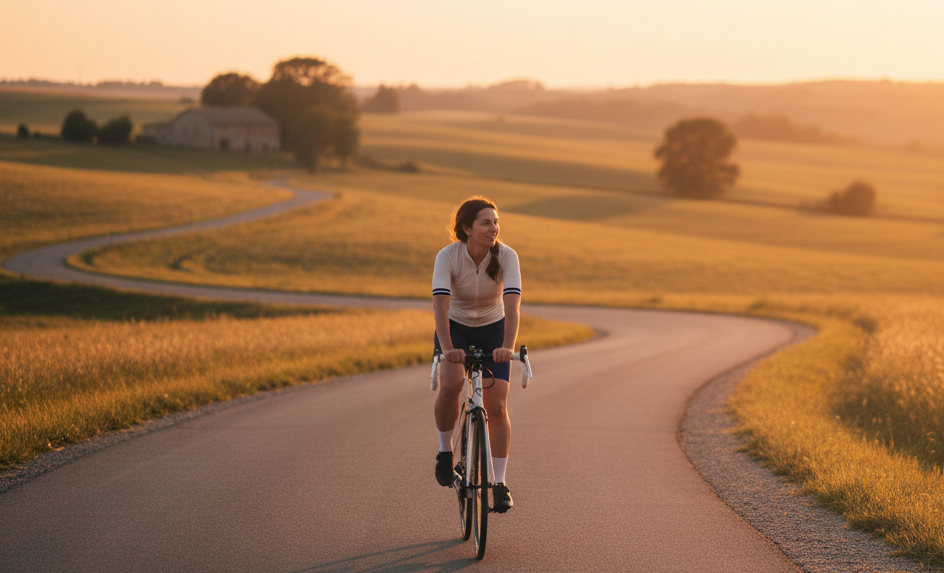
She got on her bike carrying this… weight. Not physical weight—the other kind. The kind from trying to optimize every pedal stroke like your life depends on it.
You know this feeling, right?
Here’s what nobody tells you: we’ve destroyed recovery rides. Turned them into another job, another metric to stress about. But what if the secret isn’t more complicated protocols or better data tracking? What if it’s doing radically, almost embarrassingly less?
The Four Principles (That Actually Work)
1. Keep Intensity Low: Like REALLY Low
Fifty to sixty percent of your max heart rate. Conversational pace—where you could recite Shakespeare without gasping. Not “easy for me.” Actually, genuinely, almost-boring easy.
I know what you’re thinking. “But I feel fine! Just one surge up this hill…”
Stop it.
Every percentage point above sixty percent shifts your ride from recovery into training stimulus. Your muscles don’t care about intentions—they only respond to biochemical signals. Push to seventy percent, even briefly, and you’ve activated pathways that also need recovery. Congrats, you just added more debt.
Joe Friel—the guy who literally wrote the book on training—found that athletes who improved most consistently weren’t grinding every day. They were the ones who could actually stay genuinely easy on recovery days.
My friend Mike (strong Cat 2 racer) used to do “recovery rides” at 75% because anything slower felt pointless. Then his coach threatened to quit unless Mike followed protocol… forty-five minutes at actual conversational pace. Mike complained for two weeks. Then his Tuesday intervals started feeling weirdly good. His power numbers climbed.
Restraint is a skill—maybe the hardest one in cycling.
2. Short Duration: Get In, Get Out
Thirty to sixty minutes. That’s it. Not ninety because you’re “feeling good.” Not two hours because your buddy wants company.
Maria, a competitive age-grouper, always complained about how she “just can’t recover.” Her recovery rides? Ninety minutes, sometimes two hours “because the weather was nice.”
Her coach cut them to forty-five minutes. Strict.
Three weeks later—Maria’s interval power jumped eight percent. Resting heart rate dropped. Better sleep. Less cranky.
What changed? She stopped confusing pleasure with purpose. Recovery rides do ONE thing: promote blood flow to flush waste and deliver nutrients. This happens in thirty to forty-five minutes. After that? Just more work.
The minimalist asks: “Is this serving the mission?” If no—eliminate it.
3. Optimal Timing: When Matters More Than You Think
One to two days after intense training or races. Not three days later. Not immediately after. One to two days—when your body is actively repairing damage and rebuilding glycogen.
Think of watering a houseplant (weird analogy, but stick with me). Too soon and the soil can’t absorb it. Too late and the plant’s already adapted. Timing is everything.
WorldTour teams have this dialed. After brutal mountain stages, riders don’t just rest the next day. They do a thirty-minute recovery spin. Team doctors found riders who did this showed twenty percent better power two days later.
Twenty percent! That’s massive.
Light movement stimulates circulation without creating new damage. But timing has to be right.
4. Focus on Relaxation: The Part Everyone Forgets
Easy gearing. Smooth pedaling. Zero pressure.
Watch people on “recovery rides”—tension everywhere. White-knuckle grip. Hunched shoulders. Aggressive pedaling. They’re performing recovery like it’s another test.
Tom, a masters racer in his late forties, transformed his season by treating recovery rides like moving meditation. Easy gear, almost comically easy. Cadence around 85-90. Hands loose on the hoods. He’d pick scenic routes and just… notice stuff. Trees. Birds. Whatever.
No structured thoughts about training or races. Just riding.
His numbers didn’t budge at first (actually got slightly worse). Then they exploded. FTP jumped twelve watts. Sprint improved. His coach analyzed everything—the ONLY variable that changed was recovery quality.
Recovery isn’t just physical. Mental relaxation triggers parasympathetic activation, promoting cellular repair and hormonal balance. Stress about “doing recovery correctly” sabotages everything.
I learned this last spring. Coming off great winter training, then I just… flatlined. Couldn’t hit numbers, constantly tired. My coach said, “Your recovery rides are too hard, and you’re stressing about them.” He was right. Changed nothing except actually chilling out, and within two weeks I was back.
Your Challenge: The Minimalist Audit
Before your next recovery ride, answer these:
What is the single purpose? If it’s not “recovery,” reschedule it.
What intensity serves that purpose? Above sixty percent? That’s training, not recovery.
How long optimizes this? Over sixty minutes? Ask yourself why.
Is timing strategic? If not one to two days post-hard effort, does it make sense?
Will I actually relax? Planning to “push a little” on climbs? You’ve already failed.
Then eliminate everything that doesn’t serve those answers. Remove pressure. Delete expectations. Strip complexity.
Do the ride. Truly easy. Actually short. Completely relaxed.
The Bottom Line
The minimalist’s edge isn’t about being lazy. It’s about being sophisticated enough to understand that in recovery, less is literally more.
While everyone else accumulates fatigue beneath well-intentioned effort, you’ll be accelerating adaptation through strategic restraint. Getting faster by doing less.
Recovery rides aren’t another opportunity to prove yourself. They’re your secret weapon—but only if you have the discipline to keep them minimal.
Cut the excess. Honor the purpose. Reap the gains.
The question isn’t whether you CAN do more. The real question is whether you’re strong enough to do less. Check our Full Cycling Training Guide for more tips and info !