The Best Fluffy Pancakes recipe you will fall in love with. Full of tips and tricks to help you make the best pancakes.


Picture this—a massive cargo ship leaves harbor, and the captain tweaks the wheel. Just one degree. Barely a movement, really. The crew’s drinking their third cup of terrible instant coffee, passengers are scrolling Instagram, nobody feels a thing. But here’s where it gets wild: after sailing a thousand miles, that ship ends up sixty miles away from where it should’ve been. Sixty miles! That’s the difference between docking safely and… well, not.
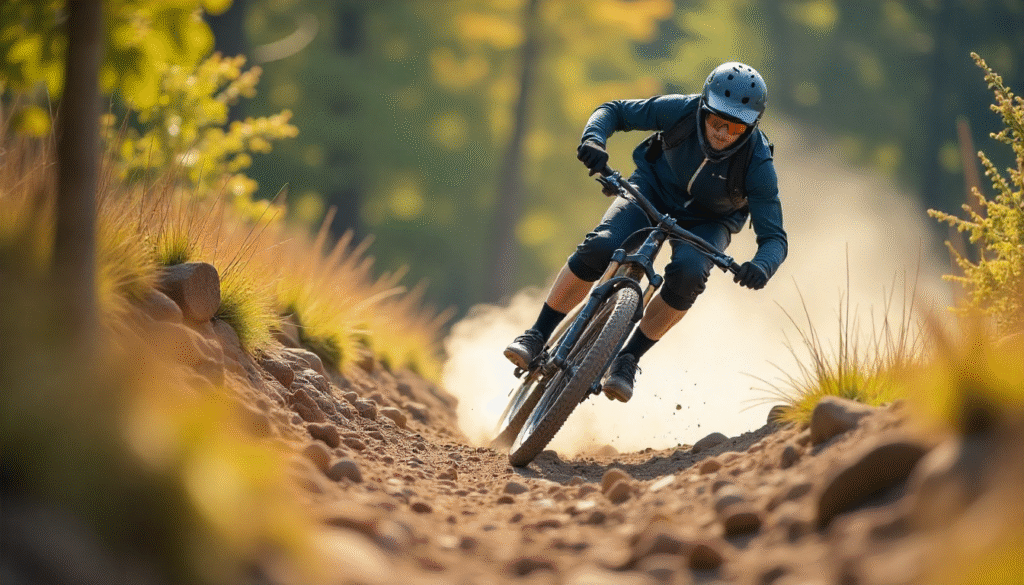
And that’s exactly what’s happening right now with lightweight e-MTBs and how we think about training. I’m not talking about some dramatic overhaul—no one’s throwing their regular bikes off cliffs (though I’ve been tempted after some brutal climbs). Instead, we’re seeing these tiny, almost invisible adjustments in how riders approach fitness, skill development, the whole mental game. They seem so small you’d miss them if you blinked.
But compounding—that’s the magic word here. Over weeks and months? These micro-shifts create earthquakes.
Ditching the Volume Addiction
Traditional MTB training has always been obsessed—like, genuinely obsessed—with volume. More miles equals better, right? More climbing, more saddle time, more everything. Made sense back when we were all grinding endless Zone 2 hours on boring fire roads just to build base fitness (God, those were tedious).
Here’s the one-degree shift: lightweight e-MTBs let us pivot from more to better.
Sounds almost too simple? Yeah, I thought so too at first. But watch what happens over time—the compound effect is insane. On a traditional bike, you’re spending maybe 70% of your rides at moderate intensity because… well, because geography and exhaustion make that choice for you. You crush a descent, then face that soul-destroying climb back to your car. Your legs are cooked, you’re running on fumes, and all that “recovery climbing” is just eating your glycogen stores.
Now drop a lightweight e-MTB into that equation. Suddenly—and I mean suddenly—you can spend 70% of your training at purposeful intensities. Want to hammer VO2 max intervals on that punchy climb? Use assist on the boring parts. Need two solid hours drilling technical corners without your quads staging a mutiny? The motor handles the elevation recycling while you focus on what actually matters.
There’s actual science backing this up (training specificity—your body adapts to what you specifically ask of it). I remember reading about this pro enduro racer who analyzed his training data and found that mixing in e-MTB sessions bumped his high-intensity work by 40%… while actually reducing overall fatigue. The motor eliminated what coaches call “junk miles”—that weird middle zone that’s too hard to be real recovery but too easy to drive adaptation.
Over six months, this tiny shift in intensity distribution meant measurably higher peak power and faster race times. Each session became maybe 15-20% more efficient. Multiply that across a hundred sessions yearly and—well, you haven’t just gone sixty miles off course. You’ve reached a completely different continent.
Recovery Days That Actually Build Something
Traditional training has always treated recovery days like sacred ground. Easy spins, gentle rides, basically anything that lets your body repair itself after getting hammered. This hard-day-versus-rest-day binary has dominated endurance sports forever, right?
The shift: lightweight e-MTBs turn recovery days into skill-building opportunities.
Again—seems minor. Who cares if you’re resting or practicing trackstands? But the compounding math here is absolutely bonkers. Learning movement patterns (neuromuscular adaptation, if we’re being technical) requires repetition without fatigue. The problem with regular MTBs? You literally can’t practice technical stuff without destroying your legs. Try sessioning that tricky rock garden fifteen times—your quads will be screaming, I guarantee it.
Lightweight e-MTBs just… dissolve that constraint. The motor gives you just enough assist so you can obsess over line choice, body position, timing—all while staying fresh. Those two weekly recovery days? They become skill laboratories now. That’s 100+ extra sessions per year dedicated purely to getting better at riding bikes (sessions that would’ve been impossible without compromising recovery).
The neuroscience actually supports this—motor learning research shows distributed practice (frequent, shorter sessions) beats massed practice for skill retention. The e-MTB makes distributed practice practical. Spend thirty minutes Tuesday drilling switchbacks at Zone 1 heart rate, another thirty Thursday working drop-offs.
Over a season, you accumulate fifty extra hours of deliberate technical practice. Meanwhile, your buddy who’s religiously sticking to “true recovery days” is either home on the couch or soft-pedaling roads. Fast forward one year—you’re not marginally better at technical riding, you’re in a completely different skill stratosphere. One degree. Sixty miles. You get it.
Breaking the Age Barrier
Here’s something nobody really wants to talk about but we all know is true: traditional MTB training heavily favors young riders. The 25-year-old with fresh knees and elastic tendons can absolutely demolish four-hour epics and bounce back in two days. But at 45? 50? Recovery windows stretch out, injury risk climbs (pun intended), and those volume-based protocols just don’t fit your physiology anymore. It’s frustrating as hell.
The shift: lightweight e-MTBs democratize high-quality training across age and recovery capacity.
Might sound like a comfort feature—it’s not, though. The compounding effect operates on a career timescale here. Traditionally, masters-age riders hit a declining ceiling. Less volume tolerance means less stimulus, which means slower gains and accelerated decline. It’s this vicious cycle where reduced capacity forces reduced training, which further reduces capacity. Depressing, honestly.
Lightweight e-MTBs snap that cycle in half. The motor doesn’t eliminate hard work (let’s be crystal clear about that)—it eliminates unnecessary work. A 50-year-old can still hit brutal intervals and gnarly technical features but use assist to manage total training stress, keeping it within their recovery bandwidth.
Studies on masters athletes show maintaining training intensity (not volume) is the key variable for preserving performance. The e-MTB is literally the tool that makes this possible. That one-degree shift—volume-constrained to intensity-focused—means a masters rider stays competitive and progressing for maybe an extra decade of riding life. Compound that over twenty years and you’re not talking marginal gains. You’re talking about the difference between hanging up your helmet at 55 versus sending the gnarliest lines of your life at 65.
Make Your One-Degree Shift Today
None of these shifts feel earth-shattering in the moment, right? Slightly better workout focus? More tech practice on rest days? Training that bends with your age instead of breaking you? Not exactly revolutionary-sounding.
But remember the ship analogy—one degree for a thousand miles changes everything.
Whether you’re on a traditional MTB or embracing the lightweight e-MTB revolution, the real question is: are you training with actual intention, or just racking up miles because… that’s what we’ve always done?
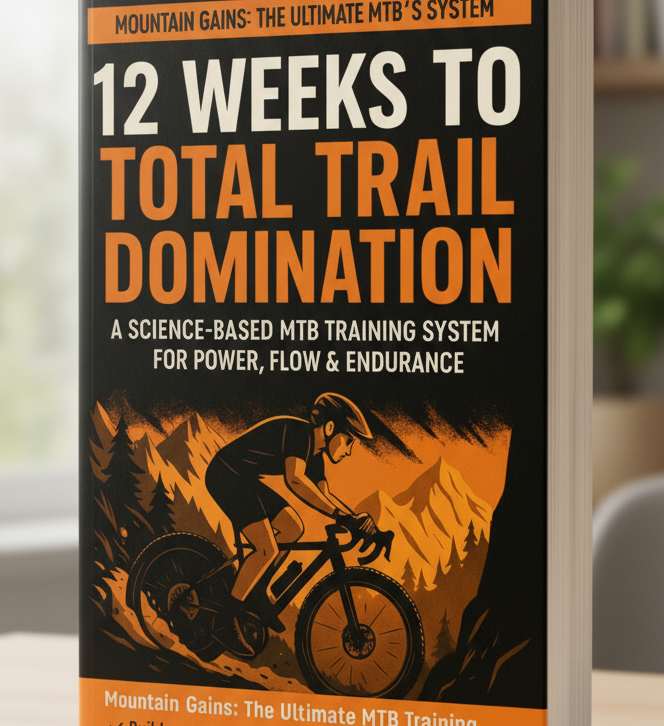
Mountain Gains: The Ultimate MTB Training System gives you the roadmap for these intelligent shifts. This ebook works whether you’re riding a 29-pound XC bike or a 39-pound e-MTB—because smart training principles transcend the motor. You’ll learn how to structure intensity-focused sessions, build technical skills without compromising recovery, and design training blocks that respect your body’s unique needs (regardless of age or bike choice).
The revolution isn’t the motor, friends. It’s the mindset shift.
Don’t drift through another season on autopilot. Grab Mountain Gains and discover how small training philosophy changes create massive trail gains.
Your ship’s leaving port right now. Where will you be in a thousand miles?