
The Best Fluffy Pancakes recipe you will fall in love with. Full of tips and tricks to help you make the best pancakes.

VO2 Max for Cyclists: How to Train & Improve
Understanding VO2 max incycling and how to increase it through targeted workouts.

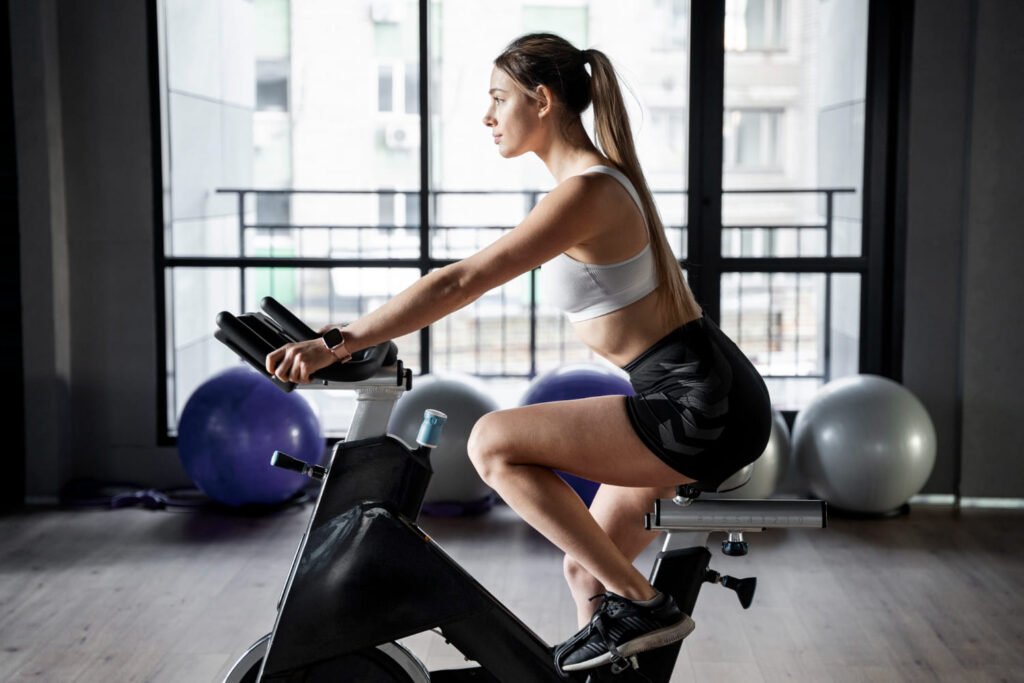
VO2 max is one of the most powerful predictors of cycling performance—it’s your body’s ceiling for aerobic power. Whether you’re training for races or looking to improve your endurance on long rides, boosting your VO₂ max is a strategic way to ride faster, farther, and with greater efficiency.
In this guide, you’ll learn what VO₂ max really means for cyclists, how to train to increase it, and why structured intervals, power-based zones, and strategic recovery all play critical roles. From HIIT workouts to Zone 5 intervals and lactate threshold training, this guide gives you the tools to build a stronger engine on the bike.
Understanding VO₂ Max: The Foundation of Cycling Performance
VO2 max represents the maximum amount of oxygen your body can absorb and utilize during intense cycling efforts. This crucial metric, measured in milliliters per kilogram per minute, determines your aerobic cycling capacity. A higher VO₂ max enables sustained power output without accumulating excessive fatigue during cycling sessions. Your cardiovascular system’s efficiency directly impacts oxygen delivery to working muscles during cycling activities. Genetics, training history, age, and overall fitness level influence your individual VO₂ max potential.
| Cyclist Category | VO₂ Max Range (ml/kg/min) | Cycling Performance Level |
| Elite Male Cyclists | 70-85+ | Professional racing |
| Elite Female Cyclists | 60-75+ | Competitive standards |
| Recreational Cyclists | 40-60 | General fitness |
| Untrained Individuals | 25-40 | Beginner cycling |
Understanding these benchmarks helps set realistic cycling performance goals and training expectations for your current fitness level.
High-Intensity Interval Training: The Key to VO₂ Max Development
High-intensity interval training represents the most effective method for improving VO2 max in cycling training. These demanding efforts push your cardiovascular and respiratory systems to maximum capacity consistently. HIIT sessions stimulate adaptations in oxygen delivery, muscle oxygen extraction, and metabolic efficiency. The intervals must reach 90-95% of maximum heart rate to trigger VO2 max improvements. Quality execution matters more than quantity when targeting VO2 max development through cycling.
| HIIT Protocol | Duration | Intensity | Rest Period | Weekly Frequency |
| Classic 4×4 | 4 minutes | 90-95% max HR | 3-4 minutes | 1-2 sessions |
| 5×3 Zone 5 | 3 minutes | 110% FTP | 3 minutes | 1-2 sessions |
| Hill Repeats | 2-4 minutes | All-out controlled | 2-3 minutes | 1 session |
This systematic cycling approach maximizes VO₂ max adaptations while preventing overtraining and burnout through proper recovery.
Zone 5 Training: Targeting Your VO₂ Max Power Zone
Zone 5 training specifically targets VO₂ max development through precisely controlled cycling power outputs. This intensity zone corresponds to 106-120% of Functional Threshold Power during cycling efforts. Accumulating 15-20 minutes of total Zone 5 time per session optimizes VO₂ max adaptations. These intervals stress both central cardiovascular capacity and peripheral muscle oxygen utilization simultaneously. The high metabolic demand requires careful pacing to complete all intervals effectively.
Strategic Zone 5 cycling workouts for VO₂ max development include:
- 5×3 minute intervals: At 110% FTP with equal rest periods
- 6×2 minute hill repeats: All-out controlled efforts on cycling climbs
- Pyramid intervals: Build from 2-4-3-2 minutes at Zone 5 cycling intensity
- Total volume target: 15-20 minutes accumulated Zone 5 time per cycling session
- Power meter guidance: Precise wattage control ensures optimal cycling training stimulus
- Quality focus: Maintain target power throughout each cycling interval
This focused cycling approach develops the specific physiological adaptations required for VO₂ max improvement.
Lactate Clearance Training: Supporting VO₂ Max Development
Effective VO₂ max improvement requires supporting your body’s ability to clear metabolic byproducts efficiently. Lactate clearance capacity determines how well you sustain high-intensity cycling efforts repeatedly. Sweet Spot and Tempo training enhance your body’s ability to buffer and clear lactate. This complementary training allows better recovery between VO₂ max intervals during cycling sessions. Building a strong aerobic base supports higher absolute power outputs at VO₂ max.
| Training Zone | FTP Percentage | Duration | Purpose | Weekly Volume |
| Sweet Spot | 88-93% | 2×20 minutes | Lactate buffering | 2-3 sessions |
| Tempo | 76-90% | 20-40 minutes | Aerobic power | 1-2 sessions |
| Zone 2 Base | 56-75% | 2-4 hours | Aerobic capacity | 3-4 sessions |
This holistic cycling training method optimizes both VO₂ max and supporting physiological systems for comprehensive performance development.
Progress Tracking and Recovery: Optimizing VO₂ Max Adaptations
Monitoring VO₂ max progress requires consistent tracking of multiple performance indicators during cycling training. Modern technology provides accurate measurement tools including power meters, heart rate monitors, and specialized apps. Regular testing protocols help assess improvements and adjust cycling training accordingly. Recovery plays an equally important role in VO₂ max development as the training stimulus itself. Inadequate recovery prevents adaptations and can lead to cycling performance stagnation or decline.
Essential monitoring and recovery strategies for cycling VO₂ max development:
- Testing protocols: Monthly VO₂ max assessments using cycling-specific field tests
- Technology tools: Garmin, Wahoo, Zwift platforms for cycling data analysis
- Heart rate trends: Monitor resting and exercise heart rates for cycling adaptation
- Recovery timing: 24-48 hours between VO₂ max cycling sessions for optimal adaptation
- Sleep quality: 7-9 hours nightly supports cycling training adaptations and recovery
- Nutrition support: Proper fueling enhances both cycling performance and recovery processes
This systematic cycling approach ensures continuous VO₂ max improvement while maintaining long-term training sustainability.
Summary
Increasing your VO₂ max can significantly elevate your cycling performance by boosting your oxygen capacity and aerobic efficiency. Here’s a quick breakdown of how to train smarter for better results:
- VO₂ max basics: Measures how much oxygen your body can use during max-effort rides. Higher values = greater endurance and power potential.
- HIIT workouts: Intervals at 90–95% max heart rate (like 4x4s or 5x3s) trigger VO₂ max gains. Focus on quality and adequate rest between efforts.
- Zone 5 training: Use 106–120% FTP intervals for 15–20 minutes total per session. Power meters help ensure you’re hitting the right intensity.
- Lactate clearance sessions: Sweet Spot and Tempo rides improve your ability to sustain VO₂ max efforts by enhancing recovery and buffering capacity.
- Recovery: Give yourself 24–48 hours between VO₂-focused sessions, and track performance metrics to monitor progress.
Combining targeted intervals with solid aerobic base training and proper recovery is the key to boosting your VO₂ max and leveling up your overall cycling fitness.
Looking for more ways to improve your performance? Explore our Cycling Training resource for in-depth plans, workout structures, and performance tips tailored for cyclists.








[…] riding — the comfortable, “I could do this all day” kind — barely touches your VO2 max. It’s like practicing free throws at half-speed and wondering why you miss under […]
[…] out)—it wasn’t the lifts themselves. It was you doing heavy deadlifts 24 hours before VO2max intervals like some kind of […]