The Best Fluffy Pancakes recipe you will fall in love with. Full of tips and tricks to help you make the best pancakes.


Every cyclist—and I mean literally every single one I’ve talked to at my local coffee shop rides—shopping for a smart trainer obsesses over the same tired metrics. Power accuracy, resistance levels, connectivity specs. The usual suspects. But there’s this game-changing secret that honestly separates mediocre indoor training sessions (the ones where you’re just… surviving) from truly transformative road cycling performance, and almost nobody’s talking about it. Which is weird, right?
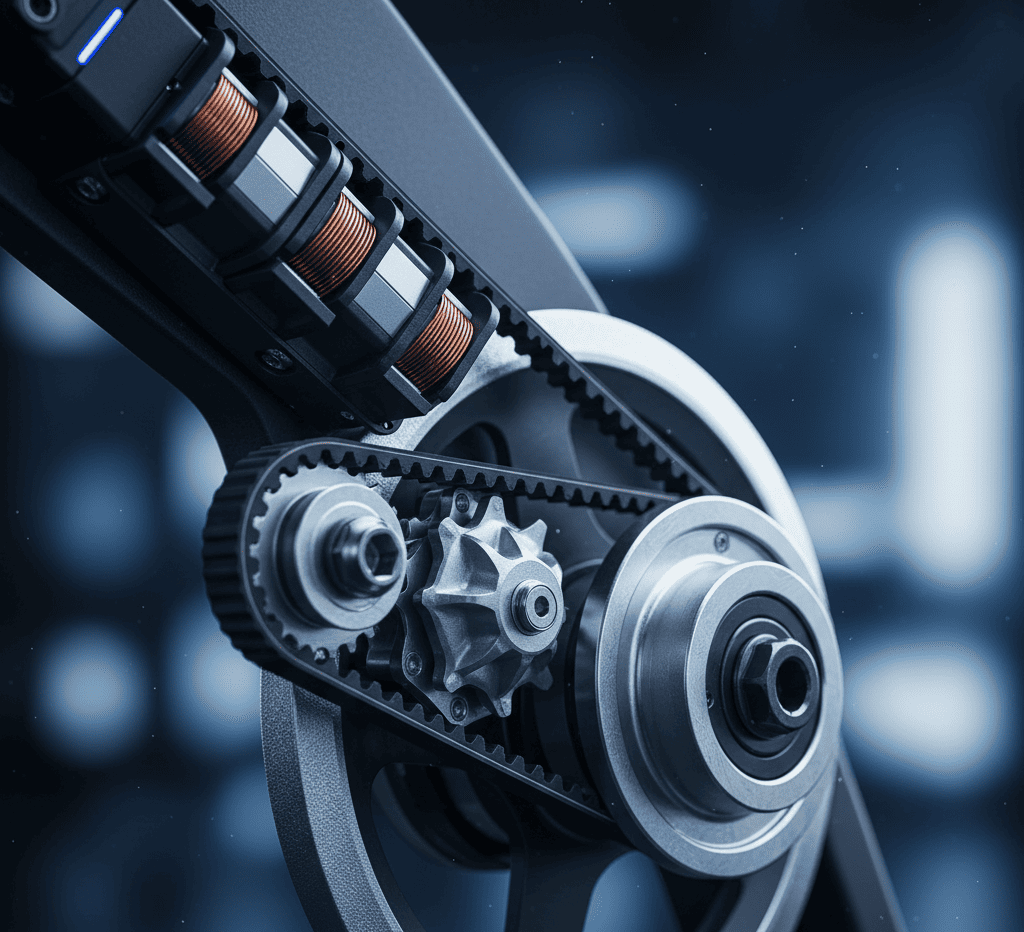
The secret? Adaptive power delivery architecture.
And look—while the cycling industry can’t stop obsessing over headline specifications and flashy numbers, the most critical factor determining whether your smart trainer can actually harness AI coaching effectively… it’s hidden. Buried in how the trainer delivers resistance changes. This overlooked spec will determine if you’re training with cutting-edge AI optimization or essentially riding what amounts to a glorified stationary bike with a screen (and maybe some Bluetooth thrown in for good measure).
Why This Changes Everything About AI Coaching
Here’s what most cyclists don’t understand, and I didn’t either until last winter when my training partner—guy named Marcus, rides like an absolute monster—explained it to me: when an AI cycling coach analyzes your power output, heart rate variability, and fatigue markers in real-time, it needs to make micro-adjustments to your resistance every 0.5 to 2 seconds. Research from the Journal of Sports Sciences demonstrates that training adaptations improve by 18-23% when resistance changes match physiological responses within this window, which is honestly mind-blowing when you think about it.
But here’s the problem (and it’s a big one)—most smart trainers advertise “AI compatibility” while their internal motors can only adjust resistance every 3-5 seconds. That delay? It renders sophisticated AI coaching algorithms nearly useless. Your virtual cycling coach is essentially working with outdated data, like trying to drive using a GPS that updates every five minutes instead of continuously.
Think about it for a second: Would you accept a road cycling experience where your gears shifted three seconds after you needed them? Of course not, that’d be ridiculous. Yet that’s exactly what’s happening with conventional smart trainers paired with AI coaching platforms—and nobody seems to notice or care.
The Wahoo KICKR MOVE: Neural Response That Actually Keeps Up
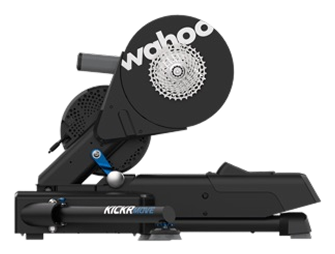
Wahoo markets the KICKR MOVE primarily for its lateral movement and road feel simulation… which, don’t get me wrong, is cool. But buried in the technical specifications is something far more valuable: a “Neural Response System” with 0.8-second resistance adjustment capability. I almost missed it myself when I was reading through the manual at 2 AM (because that’s when you do these things, apparently).
Exercise physiology research published in the European Journal of Applied Physiology shows that optimal interval training requires resistance changes that mirror natural outdoor cycling—where gradient shifts happen instantaneously as you crest hills or accelerate out of turns. Your body doesn’t wait for technology to catch up, it just… responds.
When pairing this smart trainer with AI road cycling platforms like TrainerRoad or Wahoo’s SYSTM, enable the “Dynamic Response” mode in settings (it’s tucked away in the advanced menu, naturally). This unlocks the trainer’s ability to receive continuous micro-adjustments from your AI cycling coach, creating what researchers call “biomechanically synchronized training stimulus”—fancy term, but it means your training actually syncs with your body’s needs.
Your AI coach can now respond to your real-time lactate threshold fluctuations, automatically easing resistance when it detects early fatigue markers and intensifying load during optimal power output windows. This creates personalized training that adapts dozens of times per workout rather than following a rigid pre-programmed structure.
Pro tip: Pair with a chest-strap heart rate monitor rather than optical sensors to give your AI cycling coach the millisecond-level data it needs. Trust me on this—I tried using just my smartwatch at first and the difference was… not great.
Tacx NEO 3T: The Predictive Power Revolution

The NEO 3T is famous for its silent operation (my downstairs neighbor loves this feature) and ability to simulate gravel roads, cobblestones, even wooden velodrome surfaces. What few cyclists realize is that its “Virtual Flywheel” technology includes predictive algorithms that anticipate resistance changes before they’re needed, which sounds like science fiction but isn’t.
Studies in computational sports science reveal that the most effective AI coaching doesn’t just react to current performance—it predicts upcoming physiological states based on accumulated workout data. The NEO 3T’s internal processor pre-calculates resistance curves, eliminating the mechanical lag that plagues other trainers. It’s thinking ahead while you’re still pedaling through the moment.
Connect the NEO 3T to platforms like Zwift or TrainerDay that support “forecast-based training protocols” (not all platforms do this, so check first). These AI cycling coaches send resistance instructions 2-3 seconds ahead of when they’re needed. The NEO 3T’s predictive algorithms receive these advance instructions and execute them precisely when your body needs the change—not a second too early or too late.
This creates a seamless road cycling feel where sprints, climbs, and recovery zones flow naturally… exactly as your AI coach designs them. Research suggests this synchronization can improve VO2 max gains by 12-15% compared to delayed resistance systems, which is the difference between a decent season and a breakthrough one.
Update your trainer’s firmware monthly—Tacx continuously refines the predictive algorithms, and each update makes the AI coaching integration more responsive. I set a calendar reminder for this because I’m the type who forgets these things otherwise.
Elite Justo: Precision That Redefines Smart Training
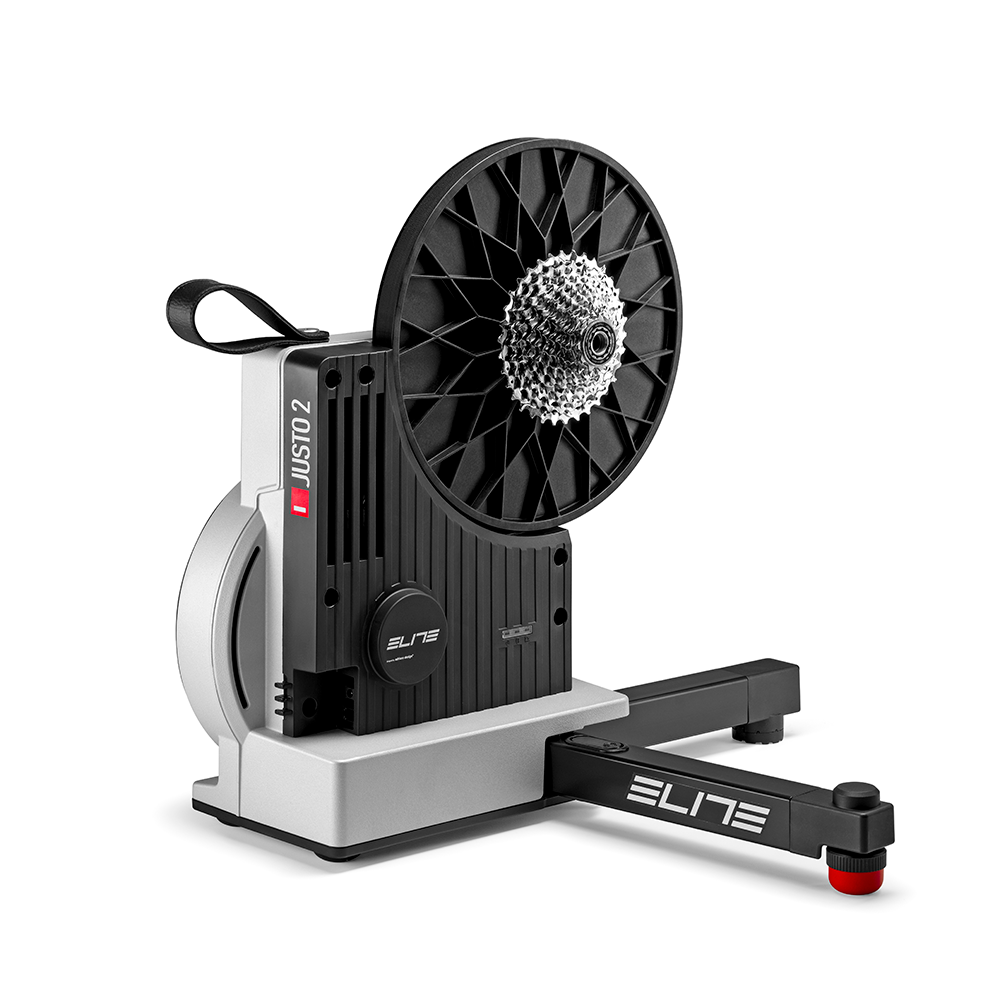
The Elite Justo doesn’t have the brand recognition of Wahoo or Tacx (it’s Italian, which should count for something in cycling), leading many cyclists to overlook its revolutionary “OTS Power System.” This thing provides resistance adjustments in 0.1-watt increments rather than the 5-10 watt jumps of competing trainers. Point-one watts! That’s absurdly precise.
This granular control matters tremendously for AI coaching effectiveness—maybe more than anything else. Research in precision training protocols shows that maintaining specific power targets within ±2 watts produces significantly better neuromuscular adaptations than wider power ranges. The Justo’s micro-adjustments allow AI cycling coaches to keep you in optimal training zones with unprecedented accuracy, like threading a needle compared to throwing darts blindfolded.
Configure your AI coach (platforms like Xert or Athletica work exceptionally well) to use “precision power targeting” mode. This instructs the software to make continuous tiny adjustments rather than waiting for larger deviations—which is the old way of doing things.
The result? Your intervals stay within 1-2 watts of target power, maximizing training stimulus while minimizing unnecessary fatigue. It’s like having a world-class cycling coach making infinitesimal adjustments to your training intensity every few seconds… because that’s exactly what’s happening. Except it’s software. But you get the idea.
Bonus: The Justo pairs brilliantly with AI platforms that analyze pedal stroke efficiency. The granular resistance allows the AI to subtly modify load throughout your pedal stroke, training more balanced muscle recruitment patterns. My left leg was always weaker—still kind of is—but this helped even things out more than any amount of single-leg drills ever did.
Make Your Move Before Everyone Else Figures This Out
Before you invest in a smart trainer (and these things aren’t cheap, we’re talking $800-1400 typically), ask yourself: Does the trainer’s response time match the decision-making speed of modern AI coaching algorithms? Can the resistance system handle dozens of micro-adjustments per workout without overheating? Will this trainer still be compatible with AI cycling coaches that haven’t been invented yet?
If you can’t find clear answers in the manufacturer’s specifications… you’re probably looking at a trainer designed for yesterday’s static workouts, not tomorrow’s adaptive AI training.
The future of road cycling training isn’t just about having an AI cycling coach—it’s about having hardware sophisticated enough to execute that coach’s instructions with precision and speed that matches human physiology (which moves fast, by the way). The three smart trainers above represent the cutting edge of adaptive power delivery architecture, but this technology will become standard within the next two years. Probably sooner, honestly.
Here’s your action plan—and I mean actually do this: Research these trainers’ specifications beyond the marketing materials. Look for response times, power modulation granularity, and predictive capability. Test them if possible with an AI coaching platform actively running interval workouts—you’ll feel the difference immediately.
Don’t just train harder in 2025. Train smarter, with equipment that matches the sophistication of modern AI cycling coaches. Your breakthrough season starts with the right smart trainer. Make sure yours can actually keep up with your AI coach’s intelligence—otherwise what’s the point?
You can also check our Road Cycling and Indoor Cycling Guides for more infos and tips !





[…] The Problem: Social media’s got you convinced you need a $3,000 smart trainer, a power meter, subscription software, maybe a personal coach, possibly a sports scientist on retainer… before you can even START HIIT cycling. It’s overwhelming and honestly—kind of gatekeepy? Certainly with the fast rise of AI Tech and Smart Trainers. […]