
The Best Fluffy Pancakes recipe you will fall in love with. Full of tips and tricks to help you make the best pancakes.


Look, I’m just going to say it straight up—most cyclists have absolutely no clue what they should be eating. And I’m not trying to be harsh here, but it’s true. You’ll spend thousands on a carbon frame that saves you 200 grams, obsess over tire pressure down to the PSI, but then… you’ll roll up to a century ride having eaten a Pop-Tart and expect your legs to carry you through 100 miles? It doesn’t work that way, trust me. I learned this the hard way during a brutal ride through the Pyrenees back in 2019 where I bonked so badly I literally had to sit on the roadside for twenty minutes questioning all my life choices.
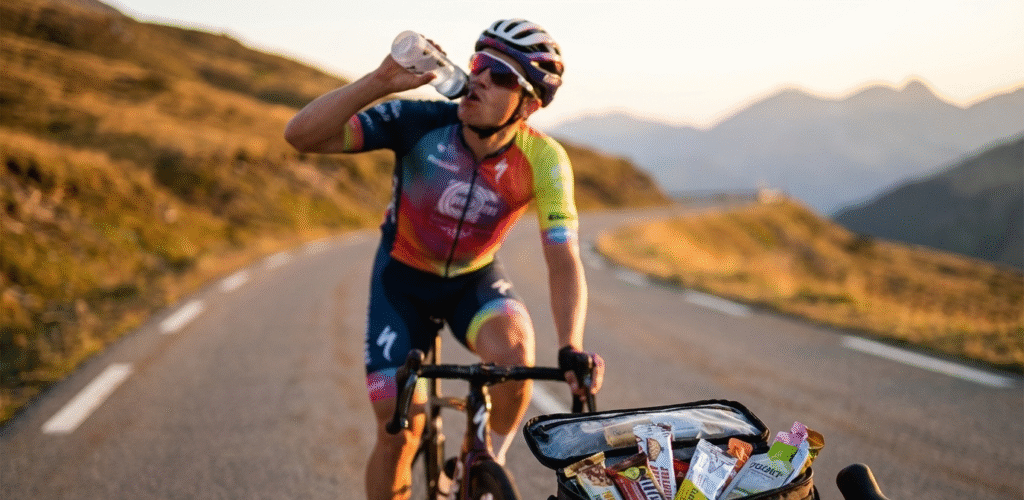
Your body is essentially a sophisticated engine—except unlike your car that runs on one type of fuel, you’re running on multiple systems simultaneously. During easy rides (your morning commute, leisurely weekend spins), your body’s burning fat primarily through what’s called aerobic metabolism. It’s efficient, sustainable, but slow. Crank up the intensity though? Hills, sprints, that moment when you’re trying to stay on your buddy’s wheel and your legs are screaming—that’s when you switch to burning glycogen, which is basically stored carbohydrates in your muscles and liver.
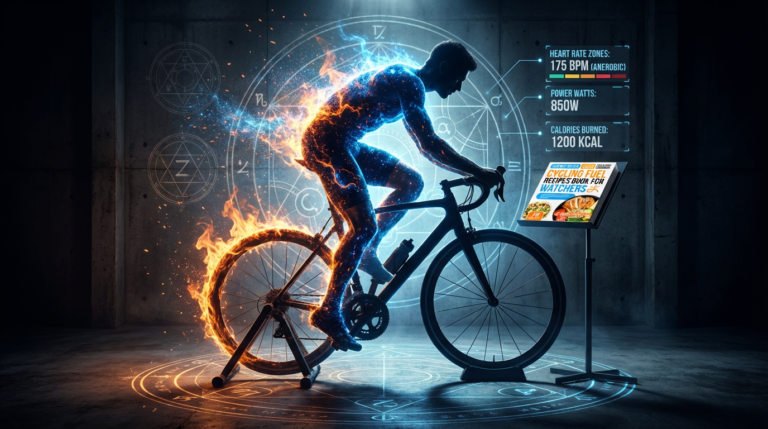
Here’s the thing nobody tells you: you can only store about 400-500 grams of glycogen, which translates to roughly 1,600-2,000 calories. Sounds like a lot, right? Wrong. A hard two-hour ride can burn through that entirely, and once it’s gone… well, that’s when the bonk hits you like a freight train. But before we dive deeper into all this—because there’s so much to unpack here about timing, hydration strategies, race-day protocols—let me tell you about something that actually changed my entire approach to cycling nutrition. The Cycling Fuel Recipes Book for Watchers basically takes everything I’m about to explain and puts it into an actual actionable system with 70+ recipes, 4-week structured plans, and weekly grocery lists so you’re not just reading theory but actually implementing it. Anyway, let’s get into the science…
How to Fuel Different Types of Rides: Short Commutes vs. Long Distance Cycling (And Everything Between)
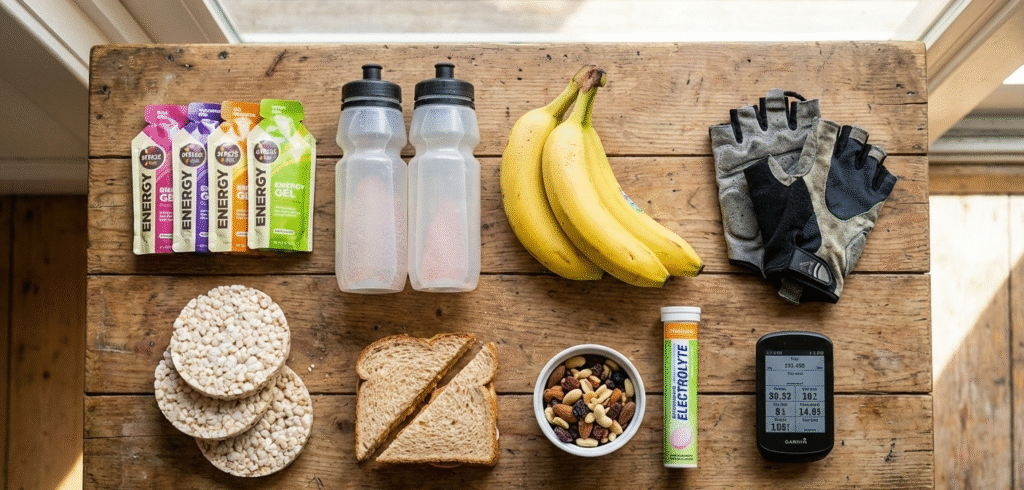
Short rides—anything under an hour really—don’t require you to eat during the ride itself. Your glycogen stores can handle it. BUT (and this is a big but), what you eat before matters tremendously. I see people skipping breakfast entirely, jumping on their bikes fasted, thinking they’re somehow optimizing fat burning or whatever the latest Instagram fitness guru told them. For a casual commute? Maybe fine. For anything with intensity? You’re sabotaging yourself.
For rides under 60 minutes:
- Eat 1-2 hours before your ride
- Focus on easily digestible carbs with some protein
- Think: oatmeal with banana, toast with eggs, or even a smoothie
- Skip the heavy fats (bacon, I’m looking at you) because they slow digestion
Now, when you’re talking about moderate rides—that 1-2 hour range where you’re putting in actual effort but it’s not kill-yourself intensity—your strategy shifts. You need to start thinking about during-ride nutrition, consuming around 30-40 grams of carbs per hour. Sports drinks work great here because they’re providing both hydration and fuel simultaneously, which is exactly what your body needs. Energy gels, dates, fig bars… honestly, experiment and find what your stomach tolerates because here’s something they don’t mention enough: gastrointestinal distress ruins more rides than bad legs ever will.
Long endurance rides though? That’s where things get serious—and complicated. Anything over 2-3 hours demands meticulous planning. I remember my first century attempt (a disaster, truly), where I waited until I felt hungry to start eating. By then it was too late—you need to be proactive, not reactive. Start consuming carbohydrates within the first 30 minutes, before hunger hits, before fatigue sets in.
For endurance rides (2+ hours):
- Target 60-90 grams of carbs per hour depending on intensity
- Mix your fuel sources: drinks + solid foods (prevents flavor fatigue, which is real)
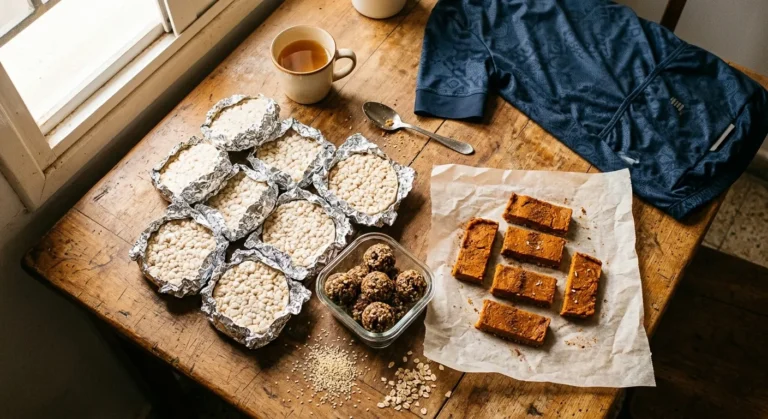
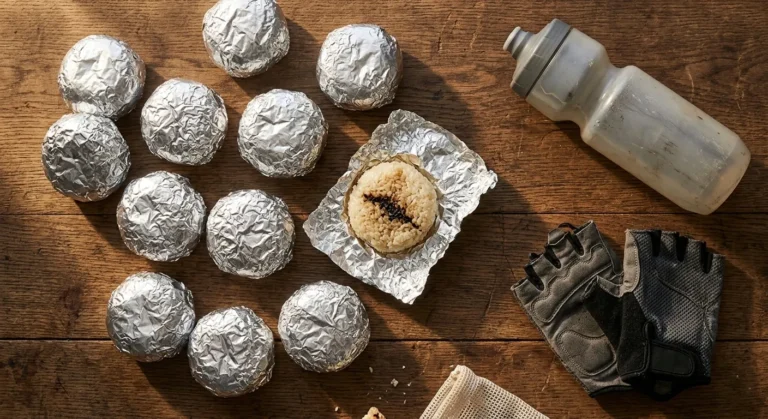
- Eat something substantial every 45-60 minutes—sandwiches, rice cakes, energy bars
- Don’t try to replace 100% of calories burned; aim for about 60%
The competitive racer doing a four-hour training ride needs a completely different approach than someone casually riding 90 minutes on Saturday morning, and yet… most nutrition advice treats everyone the same? It’s frustrating. Intensity matters, duration matters, your individual sweat rate matters (we’ll get to that), your gut tolerance matters. There’s no one-size-fits-all answer, which is exactly why having a structured system—like what’s laid out in comprehensive guides with actual meal plans and recipes—makes this entire process so much easier.
Hydration Strategy for Cyclists: How Much Water Do You Really Need? (Plus Electrolytes Explained)
Okay, so hydration is where things get interesting—and where most cyclists mess up spectacularly. You’ve probably heard “drink when you’re thirsty” which sounds reasonable until you realize that thirst is actually a lagging indicator of dehydration. By the time you feel thirsty during a hard ride, you’re already behind. And the performance impacts? Brutal. Just 2% dehydration (losing 2% of your body weight in fluids) can slash your power output by 10-15% and make your brain feel like it’s swimming through mud.
But here’s where it gets tricky—everyone sweats differently. I’m a heavy sweater (like, embarrassingly so during summer rides), while my training partner barely seems to lose any fluid. Temperature, humidity, your individual physiology, how hard you’re pushing… all of it affects your sweat rate which can range anywhere from 400ml to 2,000ml per hour. That’s a massive variation!
Want to know YOUR sweat rate? Do this:
- Weigh yourself (naked, sorry) before a ride
- Ride for exactly one hour in typical conditions
- Don’t drink anything during that hour
- Weigh yourself again immediately after
- Each kilogram (2.2 lbs) lost = approximately 1 liter of fluid
Once you know your sweat rate, aim to replace about 75-80% of those losses during your rides. For most people that’s somewhere around 500-750ml per hour, but adjust based on conditions. Riding in Arizona heat in July? You’ll need significantly more than a cool morning ride in Seattle.
Plain water is fine for short rides—under an hour you don’t really need anything else. Beyond that though, you need electrolytes, specifically sodium. Sodium helps your body actually absorb the water you’re drinking (without it, water just passes through), maintains blood volume, and prevents hyponatremia which is a fancy term for dangerously low blood sodium levels. Sports drinks with 300-700mg of sodium per liter hit that sweet spot, or you can use electrolyte tablets if you prefer.
Post-ride? Keep drinking. You need to consume about 150% of the fluid you lost over the next 2-4 hours because you’re continuing to lose water through normal bodily functions. Check your urine color—pale yellow means you’re good, dark yellow means keep drinking. (I know, not the most glamorous topic, but it’s important.)
Recovery Nutrition & Race Day Fueling: The 30-Minute Window + Competition Performance Secrets
The recovery window—those precious 30-60 minutes immediately after your ride—is when your body is basically screaming for nutrients. Your muscles are depleted, damaged from the training stress, and primed to absorb whatever you give them. This is your opportunity to accelerate recovery and come back stronger. The magic ratio? 3:1 or 4:1 carbohydrates to protein. So if you’re consuming 60-80 grams of carbs, pair it with 15-20 grams of protein.
Chocolate milk has become almost cult-status among cyclists because it naturally provides this ratio, plus it’s cold and delicious when you’re hot and tired. But Greek yogurt with granola, protein smoothies with fruit, even a turkey sandwich… they all work. The key is getting it in quickly after hard or long rides (anything over 90 minutes or high intensity sessions).
Beyond that immediate window, the next 24 hours matter enormously. Focus on anti-inflammatory whole foods:
- Leafy greens (spinach, kale—yeah, I know everyone says this but there’s a reason)
- Berries loaded with antioxidants
- Fatty fish like salmon with omega-3s that combat inflammation
- Colorful vegetables that provide phytonutrients
Protein throughout the day is crucial too—1.2-1.6 grams per kilogram of body weight distributed across 4-5 meals stimulates muscle protein synthesis way better than eating two massive protein bombs. Your body can only process so much at once; the rest just gets expensive… well, you know.
Race day nutrition is a completely different beast and honestly, this is where most people crash and burn (metaphorically, hopefully not literally). Everything—and I mean everything—should be practiced during training. Never, ever experiment on race day. I watched someone try a new energy gel during a criterium last spring and he was off the back within 30 minutes clutching his stomach. Don’t be that guy.
Race Week Protocol:
- Start carb-loading 2-3 days before the event
- Increase carbs to 8-10 grams per kilogram of body weight
- Reduce training volume simultaneously (you’re topping off stores, not depleting them)
- Stick with familiar foods your gut tolerates
Pre-race meal (3-4 hours before start):
- Carb-heavy, moderate protein, minimal fat and fiber
- White rice with lean protein, pasta with marinara, or oatmeal with banana
- 30-60 minutes before start: small snack or gel to top off glycogen
During the race:
- Under 2 hours: 30-60 grams of carbs per hour
- Longer races: 60-90 grams per hour from multiple sources (glucose + fructose for better absorption)
- Set alarms or reminders because in the heat of competition, you’ll forget
- Practice eating during hard efforts in training—race intensity feels different
I’ll be honest, dialing in race nutrition took me years of trial and error, bonks, stomach issues, and frustrating performances. Having a structured system that walks you through periodized nutrition (Base phase, Build phase, Peak, Taper, Recovery), gives you actual recipes that take under 30 minutes to prepare, organizes your grocery shopping, and provides the science behind WHY you’re eating what you’re eating at specific times—that’s invaluable.
Cycling Fuel Recipes Book for Watchers
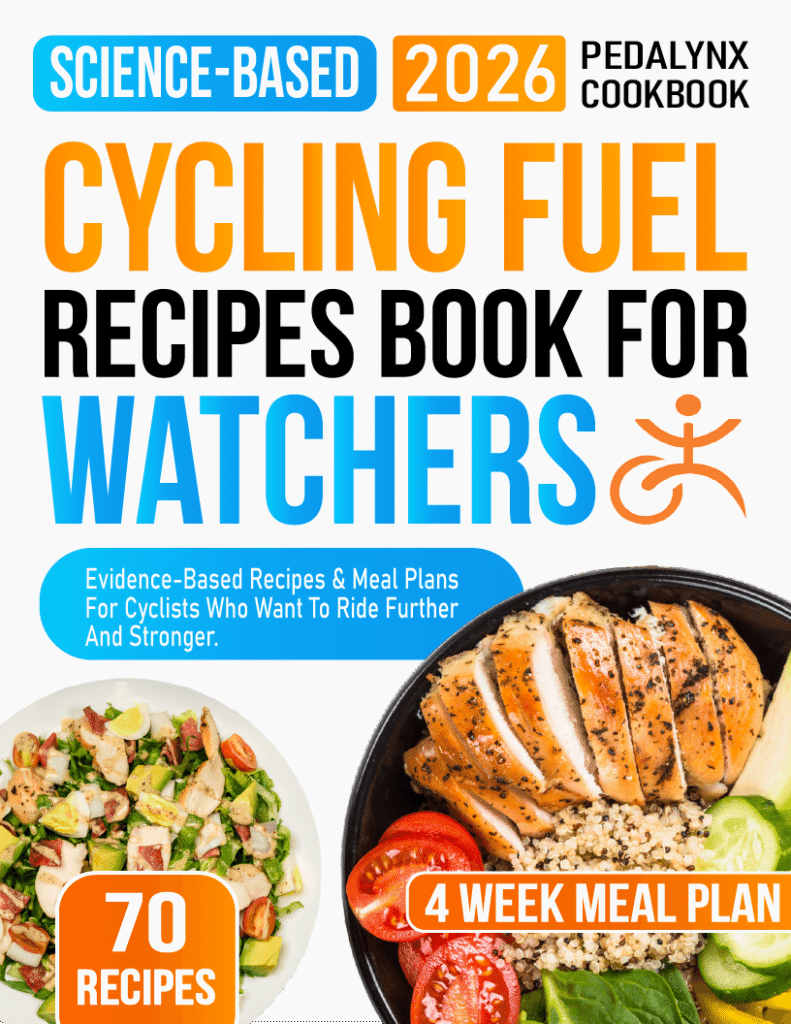
The Cycling Fuel Recipes Book for Watchers literally does all of this across 130+ pages of practical, evidence-based content.
✅ It includes :
4-Week Structured Nutrition Plan – Base, Build, Peak, Taper & Recovery phases
70+ Cyclist-Specific Recipes with stunning photos and nutritional breakdowns
4 Weekly Grocery Lists – Organized shopping made simple
Science-Based Fueling Strategies – Carb-loading, recovery windows, electrolyte balance
Pre & Post-Ride Meal Guidance – Know exactly what to eat when
Quick Prep Recipes – Most meals ready in under 30 minutes
Lifestyle Tracking Tools – Adapt for weight loss, endurance, or muscle gain goals
so you’re not wandering aimlessly through the store, and specific pre and post-ride meal guidance that takes the guesswork out entirely.
Check it out HERE
Whether you’re a beginner commuter trying to understand why you’re always tired, a weekend warrior tackling your first century, or a competitive racer fine-tuning performance—this resource covers all of it with lifetime access and instant download. No exotic ingredients you can’t find, no complicated prep that requires culinary school, just real food for real cyclists with real schedules. Personally, the periodized approach alone transformed how I structure nutrition around training blocks, and the lifestyle tracking tools help whether you’re trying to lose weight, build endurance, or maintain performance. Stop guessing, start fueling intelligently, and watch your cycling transform. Because at the end of the day, you can have the best bike, the most aerodynamic position, the perfect training plan—but if your nutrition is off, you’re leaving massive performance gains on the table. And nobody wants that.




[…] HIIT sessions create metabolic demand. Your nutrition determines whether that burns fat or muscle. Most people get this backwards, then wonder why […]