The Best Fluffy Pancakes recipe you will fall in love with. Full of tips and tricks to help you make the best pancakes.


Tadej Pogačar just won his fifth consecutive Il Lombardia, soloing to victory by 1:48 over Remco Evenepoel after attacking on the Passo di Ganda with 36 kilometers remaining. This wasn’t just another Monument win—it marked his 10th career Monument victory and made him the first rider ever to podium at all five Monuments in a single season. At 27 years old, he’s rewriting cycling history and the question everyone’s asking is: what does this mean for 2026?
The Decisive Move on Ganda
The 241-kilometer route from Como to Bergamo featured the usual Lombardia torture: Madonna del Ghisallo, San Gottardo, Roncola, Berbenno, Passo della Crocetta, Zamla Alta, and the decisive Passo di Ganda before a final sting over Colle Aperto.
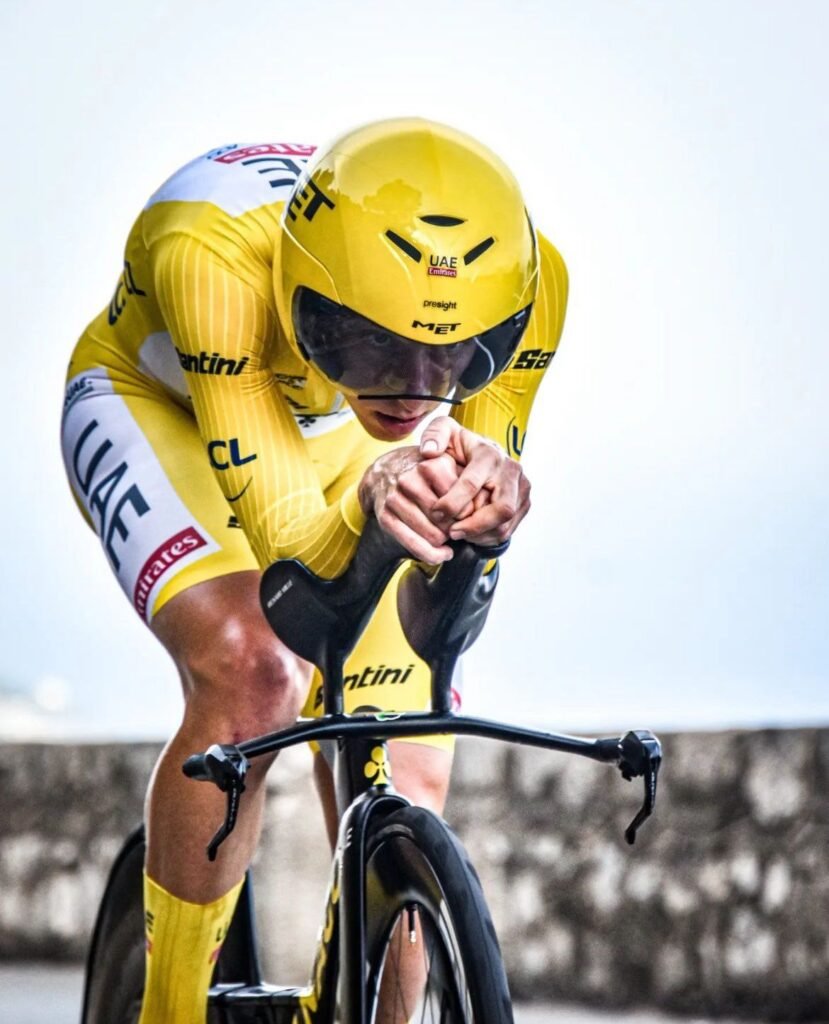
UAE Team Emirates executed a perfect mountain train. Rafał Majka destroyed himself first, then Jay Vine delivered a ferocious pull that shredded the group. With six kilometers left on the Ganda, Pogačar attacked. No drama, no hesitation—just overwhelming power. He climbed the Passo di Ganda in 21:22 at an estimated 7.22 watts per kilogram, obliterating his previous records. He caught breakaway leader Quinn Simmons with 34km to go, rode with him for maybe 500 meters, then disappeared.
Evenepoel didn’t even try to follow. That tells you everything about Pogačar’s psychological dominance.
Tactical Breakdown
Three elements made this victory work:
Team Support: UAE’s domestique work isolated Pogačar with only the strongest rivals before the decisive climb. When you attack from the front of a select group instead of chasing from behind, you’re already halfway to victory.
Route Features: The Ganda’s 10 kilometers at 7.1% gradient, followed by 36 kilometers to the finish, was perfect for Pogačar. Long enough for sustained power to matter, technical enough on the descent to prevent organized chasing, distant enough from the finish that rivals couldn’t mark conservatively. This wasn’t an explosive climb—it was a physiological torture test favoring exceptional VO₂ max and lactate threshold.
Mental Warfare: Evenepoel’s refusal to even attempt following Pogačar’s acceleration wasn’t tactical—it was resignation. Rivals are making decisions based on inevitability rather than possibility.
2026 Implications: Spring Classics
Pogačar has confirmed his 2026 goals include a fifth Tour de France and another attempt at Milan-San Remo and Paris-Roubaix to complete his Monument collection. He won Tour of Flanders in 2025 but finished third at San Remo and second at Roubaix—both races won by Mathieu van der Poel.
Van der Poel remains the only rider consistently challenging Pogačar in one-day races. The Dutchman’s explosive power and bike-handling skills give him edges on flatter, more tactical courses. If Pogačar wants Paris-Roubaix, he needs to either drop Van der Poel before the crucial sectors or beat him in a sprint. Good luck with that second option.
Grand Tour Threats
Jonas Vingegaard and Primož Roglič are the only riders who’ve beaten Pogačar at the Tour de France recently, but Vingegaard’s 2025 was compromised by injury and Roglič has changed teams. Evenepoel keeps finishing second in major races, but that gap shows no signs of closing.
The real threat might come from riders still developing, but by the time they peak, Pogačar will have rewritten the record books. At 27 with 108 career wins, some wonder if we’ve reached “Peak Pogačar.” His 2025—four Tour titles, three Monuments in one year, back-to-back Worlds—might represent an unsustainable ceiling. But smart money says he’s got several more years at this level. The question is motivation: when you’ve achieved everything, what drives another winter of training?
Training Takeaways for Amateur Riders
You can’t replicate 7.22 W/kg, but you can learn from Pogačar’s tactical approach. Three training principles from Il Lombardia:
1. Build Your VO₂ Max Ceiling
Pogačar’s ability to sustain near-threshold power for 21+ minutes comes from years of high-intensity interval work. For amateurs, incorporate weekly VO₂ max sessions: 4-6 intervals of 4-6 minutes at 110-120% of FTP with equal rest. These sessions are brutally hard, but they separate riders who follow wheels from riders who set pace.
2. Practice Sustained Threshold Efforts
The Ganda wasn’t explosive—it was grinding, relentless. Structure training with weekly “Lombardia-style” efforts: 20-30 minute climbs or intervals at 95-100% FTP. Your body adapts to specific durations and intensities you train, so if you want to drop people on long climbs, simulate those efforts in training.
3. Master Pacing and Energy Management
Pogačar attacked with six kilometers remaining on the Ganda, not at the base. He recognized when rivals were suffering and chose his moment perfectly. In your riding, practice this awareness: don’t blow matches early. Identify moments when everyone’s hurting—that’s when you accelerate. Often it’s not who’s strongest but who attacks when others can’t respond.
The 241km race distance matters too. Pogačar’s late-race power comes from enormous aerobic endurance. Build your base with long, steady rides—Zone 2 work isn’t glamorous, but it’s the foundation that lets you hit hard when it matters.
What’s Next
Pogačar matched Fausto Coppi’s five Il Lombardia victories and became the first to win five consecutively. His career trajectory points toward Eddy Merckx’s 19 Monument victories—a target that once seemed unreachable but now feels inevitable.
2026 will answer crucial questions: Can he win a fifth Tour? Will Van der Poel continue blocking him in the Northern Classics? Can anyone develop the form to challenge him in the mountains?
But the most important question for the peloton: When Pogačar attacks on the next decisive climb, will anyone even try to follow? His rivals already know the answer.
Build your climbing power, VO₂ max training and threshold development for amateur cyclists by checking our Road Cycling Guide !