The Best Fluffy Pancakes recipe you will fall in love with. Full of tips and tricks to help you make the best pancakes.

Best Full-Suspension Mountain Bikes by Budget
Compare top-rated full-suspension mountain bikes in various price ranges.

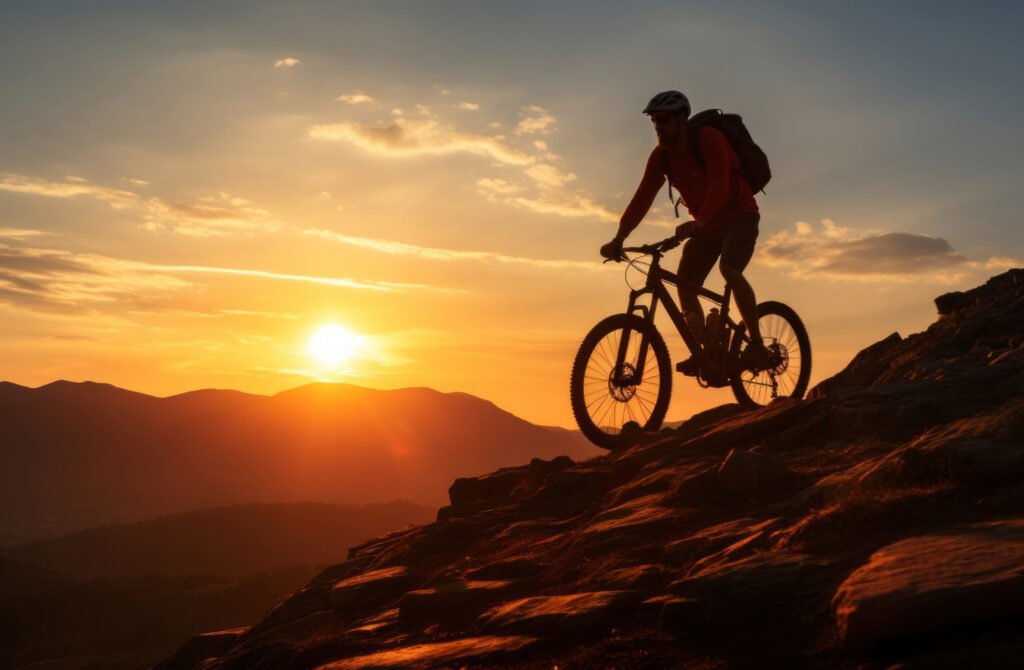
When Sam first discovered mountain biking, he wasn’t searching for a new passion. He was just a city dweller looking for an escape—a break from the 9-to-5 grind and the endless hum of urban chaos. One weekend, a friend invited him on a trail ride, handing over a borrowed full-suspension mountain bike with a wink and a warning: “You’ll never go back to a hardtail.”
The trail was modest—a mix of rolling green and a few technical blue segments—but the ride changed everything. The way the suspension smoothed out roots and rocks, the effortless climb thanks to a well-tuned drivetrain, and the exhilarating speed on descents all blended into a feeling of pure freedom. Sam was hooked.
Today, this guide is your trail map. Whether you’re just starting out or upgrading to elite performance, we’ll walk through the full spectrum of full-suspension mountain bikes—from affordable beginner builds to elite race-ready machines. With each tier, you’ll get expert insights, essential specs, and upgrade tips to help you find your perfect ride.
Entry-Level Full-Suspension: Building Your Foundation (Under $2,000)
Starting your mountain biking journey doesn’t require breaking the bank. Entry-level full-suspension bikes offer incredible value for newcomers to the sport. These aluminum-framed machines typically feature:
- Suspension: 120-140mm of travel, reliable and low-maintenance
- Drivetrain: 1×10 or 1×11 systems from Shimano’s Deore line
- Weight: 14-15kg, manageable on moderate trails
- Frame: Forgiving geometry helps new riders build confidence quickly
- Best features: Air suspension over coil springs for better adjustability
- Upgrades to look for: Internal cable routing and tapered head tubes
These bikes excel on green and blue trails, making them ideal for weekend warriors and casual cyclists. The suspension may lack advanced adjustability, but it’s reliable for learning proper mountain biking technique.
Mid-Range Marvels: The Sweet Spot for Serious Riders ($2,000-$4,500)
The mid-range category represents the best value in mountain biking today. These bikes blend performance with affordability, satisfying most riders’ cycling needs completely:
- Frame: Butted aluminum or carbon front triangles
- Suspension: 130-150mm travel with compression and rebound adjustments
- Drivetrain: 1×11 or 1×12 systems with wider gear ranges
- Weight: 13-14kg, making climbs noticeably easier
- Braking: Larger rotors and improved hydraulic systems
- Wheels: Tubeless-ready wheels often standard, reducing puncture risk
- Versatility: Handles cross-country races to aggressive trail riding
The geometry strikes a balance between climbing efficiency and descending confidence. Most serious mountain bikers find their perfect match in this price range for optimal cycling performance.
Performance Trail Bikes: Where Capability Meets Precision ($3,000-$4,500)
Performance trail bikes represent the intersection of advanced technology and practical cycling needs. These machines deliver professional-level capabilities for serious mountain biking enthusiasts:
- Frame: Carbon front triangles with dramatically improved stiffness-to-weight ratios
- Suspension: 140-160mm travel with custom-tuned shocks for specific riding styles
- Drivetrain: High-end 1×12 systems from SRAM’s GX or Shimano’s SLX lines
- Weight: 13-14kg, enhancing climbing performance significantly
- Advanced features: Suspension platforms minimize pedal bob while maximizing traction
- Wheels: Tubeless-ready carbon or premium aluminum options
- Geometry: More aggressive, favoring capable descenders without sacrificing climbing
These bikes excel in enduro racing and aggressive trail riding scenarios where precision mountain biking matters most.
Advanced Enduro: Built for Punishment and Performance ($4,500-$6,000)
Advanced enduro bikes push the boundaries of what’s possible in mountain biking. These machines are engineered for the most demanding cycling conditions:
- Construction: Full carbon using high-modulus fiber, incredibly light yet durable
- Suspension: Long-travel (150-170mm) handles biggest hits while maintaining efficiency
- Drivetrain: Premium systems from SRAM’s X01 or Shimano’s XT lines
- Weight: 12.5-13.5kg despite robust construction and longer travel
- Advanced tech: Piggyback reservoirs and custom tune suspension options
- Wheels: Carbon rims designed specifically for aggressive riding impacts
- Braking: 4-piston calipers with massive rotors for maximum stopping power
- Geometry: Aggressive setup prioritizes descending confidence
These machines dominate bike parks, enduro races, and the most challenging mountain biking trail networks.
Elite Pro-Level: The Pinnacle of Mountain Biking Excellence ($6,000+)
Elite mountain bikes represent the absolute pinnacle of cycling technology and performance. Every component reflects the highest standards in modern mountain biking:
- Frame: Advanced carbon layup techniques create impossibly light yet strong construction
- Suspension: Latest Fox Factory and RockShox Ultimate innovations
- Drivetrain: Electronic shifting from SRAM’s AXS or Shimano’s Di2 systems
- Weight: Below 12.5kg despite premium components throughout
- Optimization: Every component carefully selected for optimal performance
- Geometry: Custom setups ensure perfect handling for specific riding disciplines
- Innovation: Latest mountain biking technology before it reaches lower tiers
- Professional grade: Machines that professional racers rely on for competition
The investment pays off through superior performance, reliability, and cutting-edge mountain biking technology that defines the future of cycling.
Summary
Choosing the right full-suspension mountain bike is more than a financial decision—it’s an investment in your riding journey. From modest entry-level bikes to the ultimate in racing machines, every tier has a unique appeal tailored to your goals, terrain, and budget.
- Just starting out? An entry-level full-suspension bike provides reliability and value, building your skills on forgiving trails.
- Want more out of every ride? Mid-range models offer performance without pretense—ideal for weekend warriors who ride hard and often.
- Pushing the envelope? Advanced and elite bikes bring world-class tech and race-day readiness to the trails, with geometry and components that maximize every watt of effort.
Whether you’re a curious newcomer or a trail-seasoned pro, there’s a bike waiting to elevate your ride. Still unsure which one fits your lifestyle or terrain best? Dive deeper into our Ultimate Mountain Bike Guide—your go-to pillar page for understanding frame materials, geometry nuances, component breakdowns, and trail types. From choosing tire width to mastering trail etiquette, it’s all there.
Because at the end of the day, the best bike is the one that makes you want to ride more.
Frequently Asked Questions
How much should I spend on my first full-suspension mountain bike?
For beginners, $1,200-$1,800 provides excellent value in mountain biking. This budget gets you reliable aluminum construction, basic air suspension, and components that won’t hold back your cycling progress. Spending less often means compromising on essential features like proper suspension or drivetrain reliability.
Is it worth buying a used full-suspension mountain bike?
Used bikes can offer great value, but inspect suspension pivots and shock seals carefully. Mountain biking puts significant stress on frames and components. Look for service records, especially suspension maintenance. Avoid bikes with visible frame damage or excessive wear on drivetrain components.
How much suspension travel do I actually need?
Travel needs depend on your mountain biking style:
120-130mm: Cross-country racing and smooth trail cycling
130-150mm: All-mountain and aggressive trail riding
150-170mm: Enduro racing and bike park mountain biking
170mm+: Downhill racing and extreme mountain biking
Will a full-suspension bike make me a better mountain biker?
Full-suspension improves comfort and traction, allowing you to ride longer and tackle more challenging terrain. However, cycling skills matter more than equipment. A quality hardtail might actually improve your mountain biking technique faster by demanding cleaner line choices.